




Про нас
Рух активної реабілітації бере свій початок в Україні з 1992 року, але офіційний статус юридичної особи було зареєстровано у 2008 році. З того часу Громадська організація «Всеукраїнське об’єднання осіб з інвалідністю «Група активної реабілітації» продовжувала класичну волонтерську діяльність з метою реалізації програми таборів активної реабілітації та реалізацію проєктів направлених на покращення якості життя осіб після ураження спинного мозку.

Кожна така травма — це людина, яка за кілька тижнів має навчитися жити наново: пересуватися, доглядати себе, повернутися до роботи й до власної сім’ї. Лікарня повертає здоров’я, але не повертає життя в громаді.
Ми — місток між лікарняним ліжком і звичайним життям удома: наші інструктори працюють і в лікарні поруч із медиками, і далі, коли людина повертається додому.


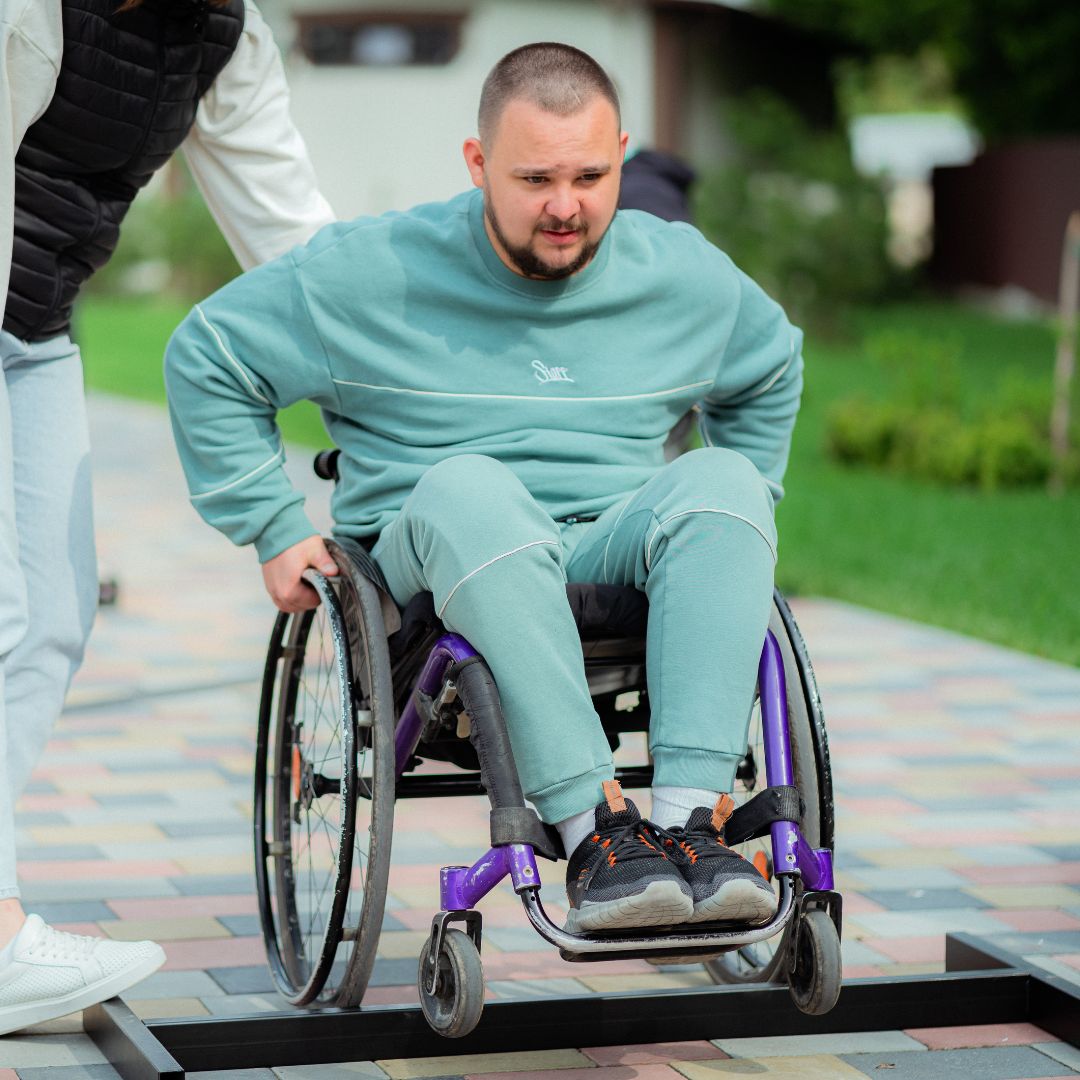 Проводимо табори активної реабілітації
Десять днів, за які людина після травми вчиться керувати кріслом колісним, доглядати себе й долати сходи та бордюри. Навчають інструктори й інструкторки, які самі живуть із такою травмою.
Детальніше
Проводимо табори активної реабілітації
Десять днів, за які людина після травми вчиться керувати кріслом колісним, доглядати себе й долати сходи та бордюри. Навчають інструктори й інструкторки, які самі живуть із такою травмою.
Детальніше
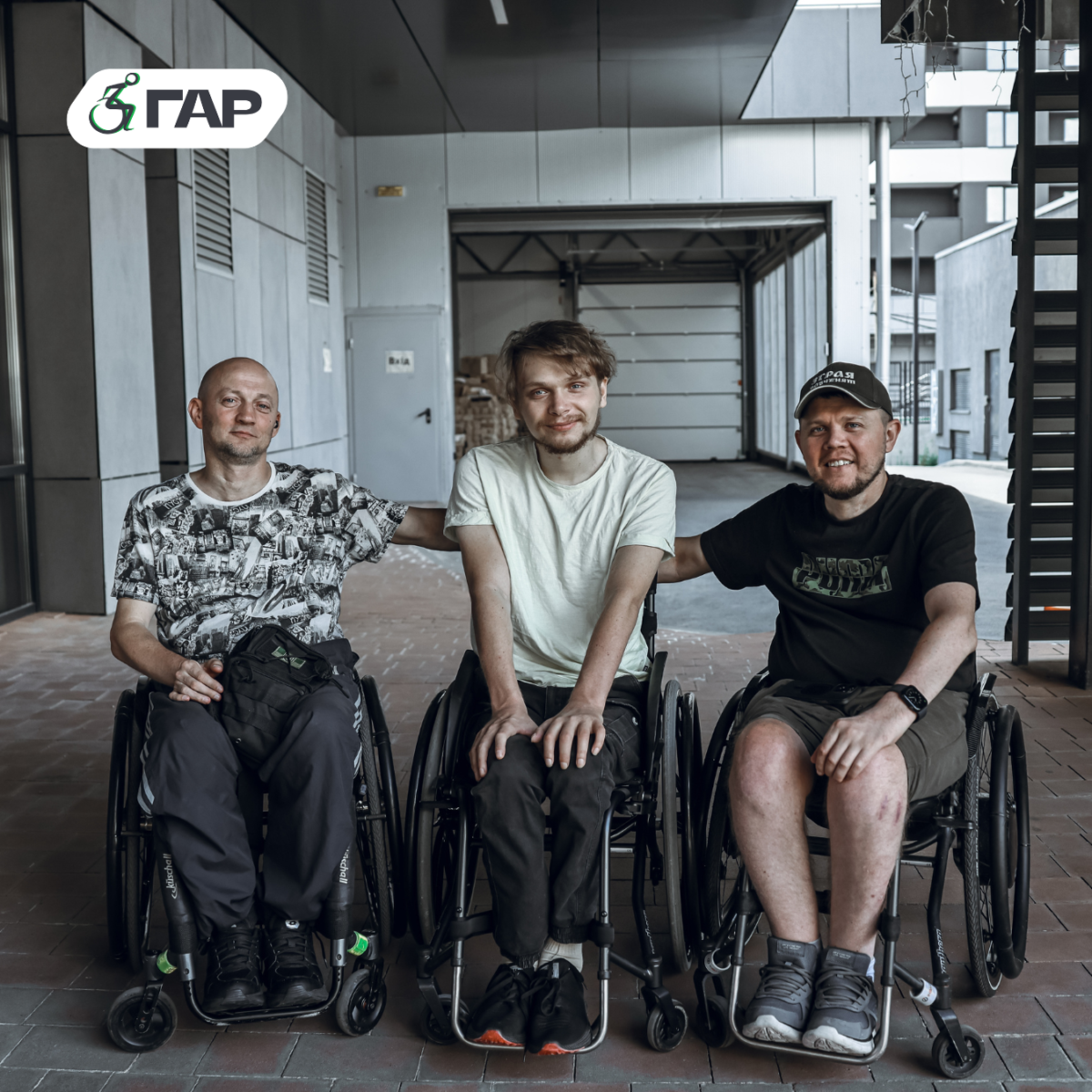 Реалізовуємо програму Перший контакт
Інструктор приходить до людини в перші тижні після травми — у лікарню чи реабілітаційний центр, разом із командою закладу. Це часто перша розмова, після якої зʼявляється план, а не страх.
Детальніше
Реалізовуємо програму Перший контакт
Інструктор приходить до людини в перші тижні після травми — у лікарню чи реабілітаційний центр, разом із командою закладу. Це часто перша розмова, після якої зʼявляється план, а не страх.
Детальніше
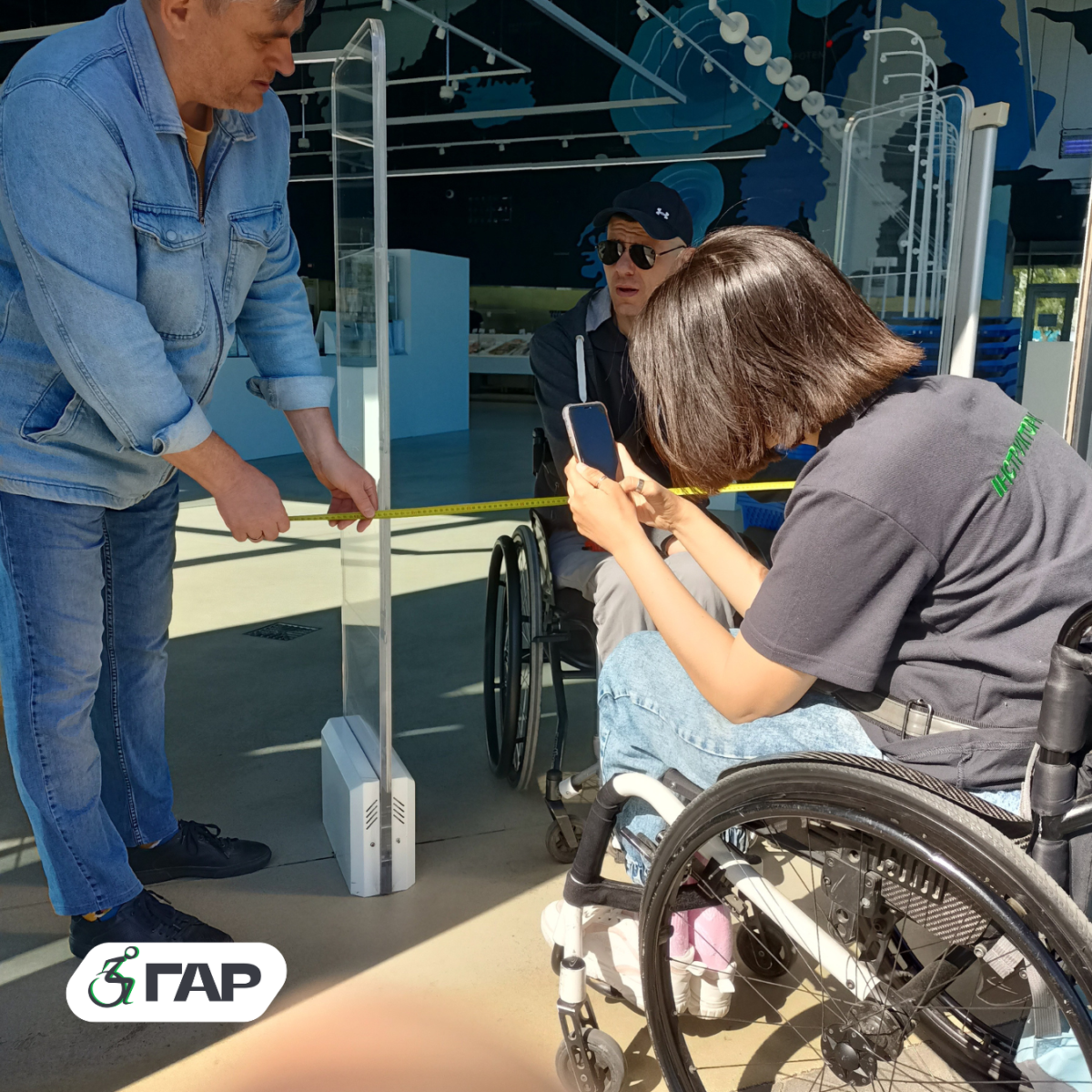 Створюємо безбар’єрний простір
Проводимо аудити доступності будівель, просторів і послуг за міжнародною методикою й навчаємо персонал. Не список зауважень, а план змін із розмірами й пріоритетами.
Детальніше
Створюємо безбар’єрний простір
Проводимо аудити доступності будівель, просторів і послуг за міжнародною методикою й навчаємо персонал. Не список зауважень, а план змін із розмірами й пріоритетами.
Детальніше
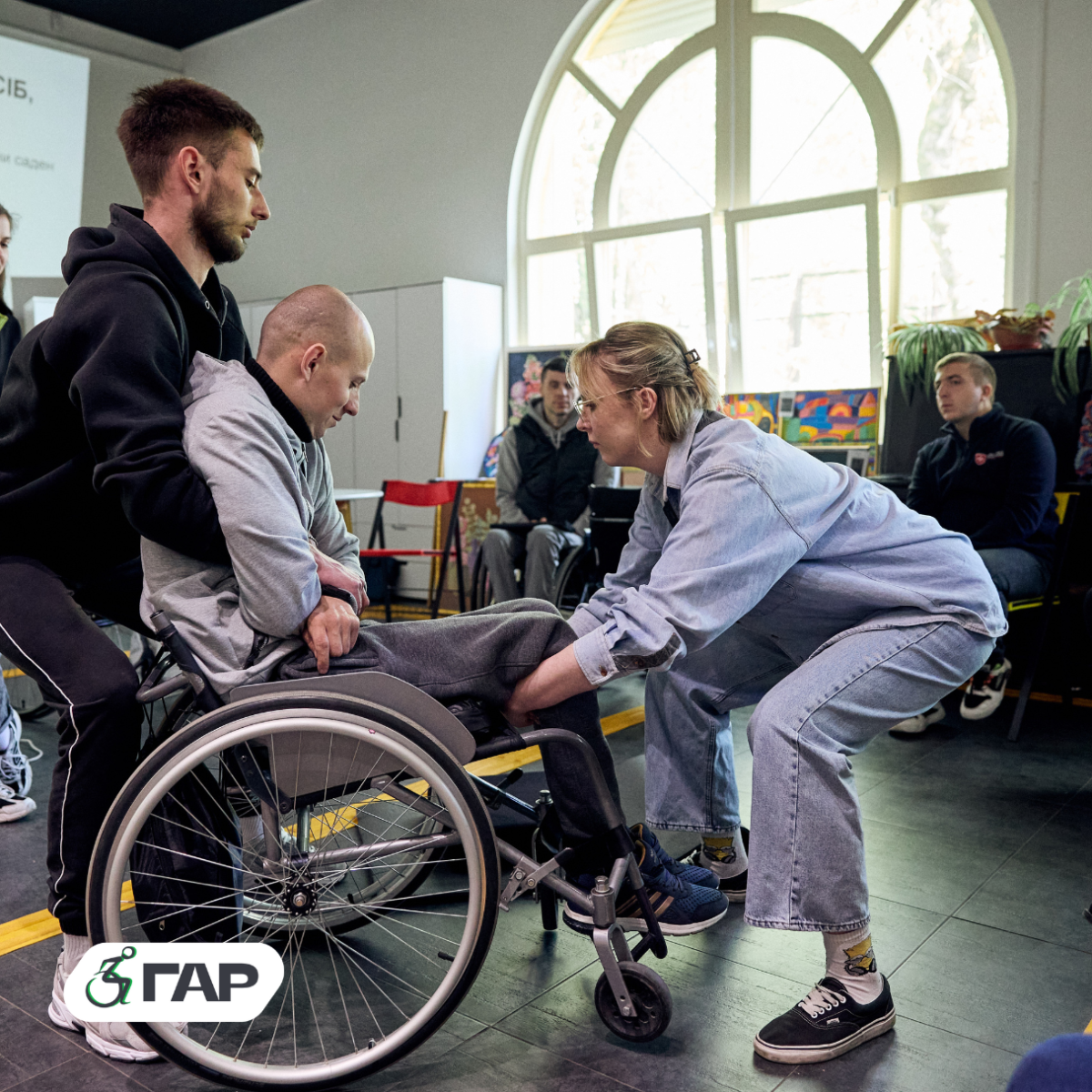 Підтримуємо близьких
Рідні часто не знають, де допомогти, а де відступити: надмірна опіка гальмує повернення до самостійності так само, як її брак. Консультуємо родини нарівні з самою людиною.
Детальніше
Підтримуємо близьких
Рідні часто не знають, де допомогти, а де відступити: надмірна опіка гальмує повернення до самостійності так само, як її брак. Консультуємо родини нарівні з самою людиною.
Детальніше
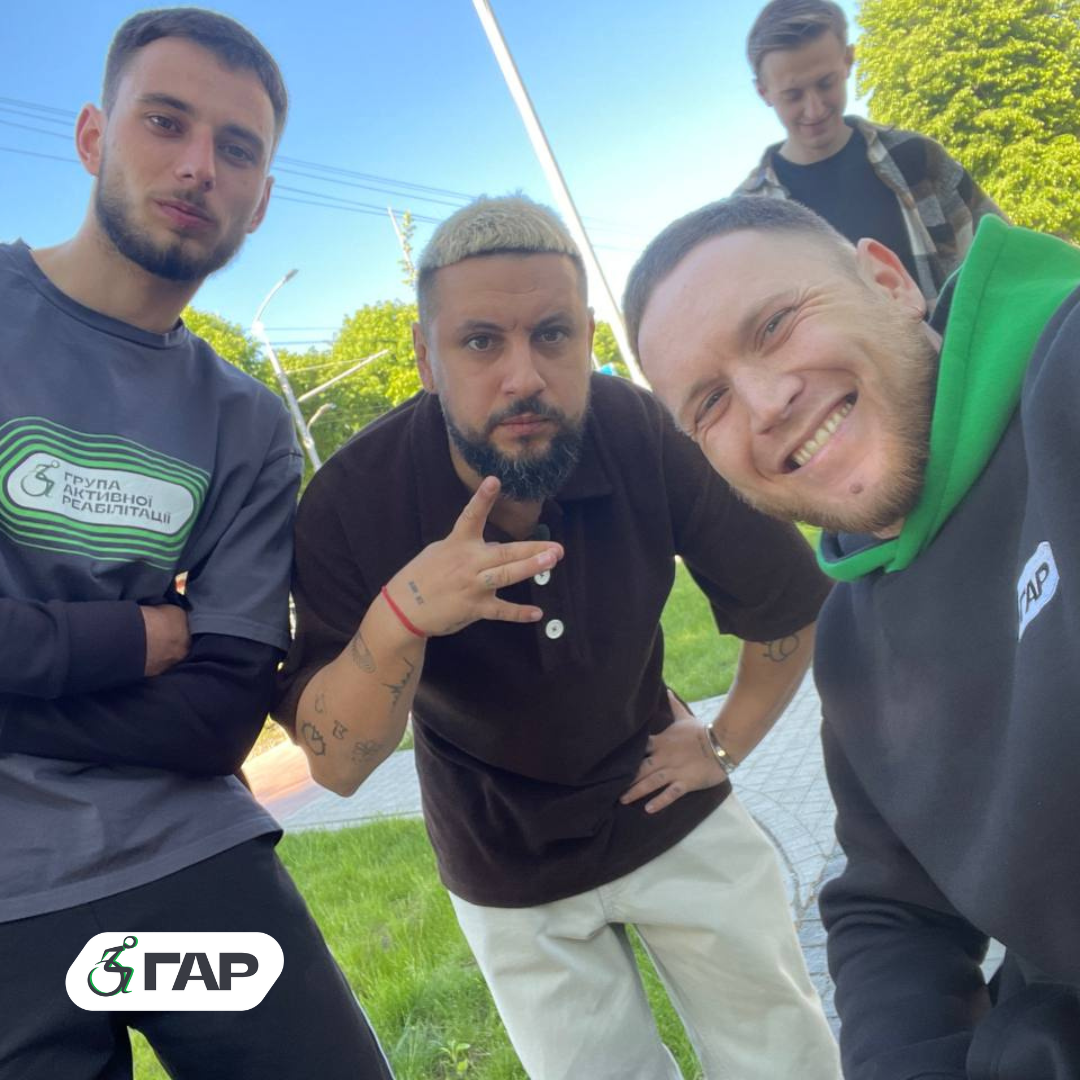 Руйнуємо стереотипи та змінюємо суспільне сприйняття
Розповідаємо про життя після травми без героїзації й жалю — у медіа, на конференціях і власними історіями учасників. Бо половина барʼєрів існує в головах, а не в архітектурі.
Детальніше
Руйнуємо стереотипи та змінюємо суспільне сприйняття
Розповідаємо про життя після травми без героїзації й жалю — у медіа, на конференціях і власними історіями учасників. Бо половина барʼєрів існує в головах, а не в архітектурі.
Детальніше
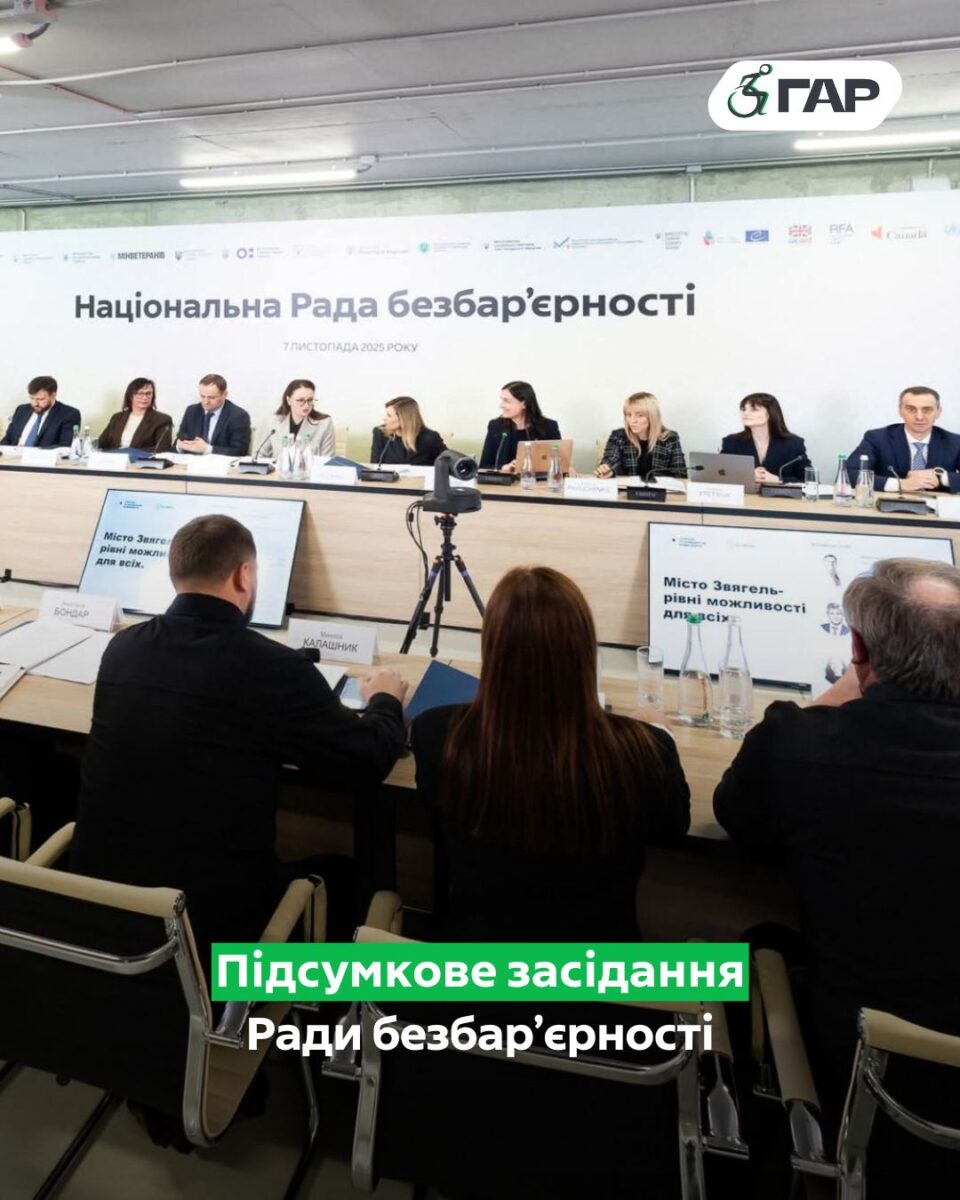 Впливаємо на державну політику
Працюємо з державними органами над стандартами доступності й реабілітації та приносимо в українську практику міжнародні моделі — від персональної допомоги до аудиту доступності.
Детальніше
Впливаємо на державну політику
Працюємо з державними органами над стандартами доступності й реабілітації та приносимо в українську практику міжнародні моделі — від персональної допомоги до аудиту доступності.
Детальніше
Усі підопічні. Станом на 19 Жовтня 2026.
- 1 – 42
- 43 – 62
- 63 – 77
- 78 – 94
- 95 і більше
- дані неповні
- дані недоступні
- 1 – 15
- 16 – 21
- 22 – 27
- 28 – 45
- 46 і більше
- дані неповні
- дані недоступні
- 1 – 29
- 30 – 39
- 40 – 47
- 48 – 67
- 68 і більше
- дані неповні
- дані недоступні
Ті самі дані таблицею
| Область | Разом | Тетраплегія | Параплегія | Примітка |
|---|---|---|---|---|
| Львівська область | 188 | 66 | 122 | |
| місто Київ | 163 | 56 | 107 | |
| Дніпропетровська область | 135 | 46 | 89 | |
| Київська область | 129 | 50 | 79 | |
| Вінницька область | 94 | 27 | 67 | |
| Волинська область | 94 | 44 | 50 | |
| Рівненська область | 92 | 45 | 47 | |
| Харківська область | 83 | 32 | 51 | |
| Одеська область | 82 | 22 | 60 | |
| Івано-Франківська область | 77 | 31 | 46 | |
| Донецька область | 69 | 15 | 54 | дані неповні, частина території тимчасово окупована |
| Житомирська область | 68 | 29 | 39 | |
| Черкаська область | 65 | 24 | 41 | |
| Тернопільська область | 64 | 22 | 42 | |
| Полтавська область | 62 | 21 | 41 | |
| Хмельницька область | 58 | 24 | 34 | |
| Запорізька область | 52 | 19 | 33 | дані неповні, частина території тимчасово окупована |
| Сумська область | 45 | 15 | 30 | |
| Закарпатська область | 44 | 15 | 29 | |
| Луганська область | 42 | 16 | 26 | дані неповні, частина території тимчасово окупована |
| Чернівецька область | 42 | 10 | 32 | |
| Чернігівська область | 37 | 15 | 22 | |
| Миколаївська область | 34 | 13 | 21 | |
| Кіровоградська область | 33 | 10 | 23 | |
| Херсонська область | 26 | 11 | 15 | дані неповні, частина території тимчасово окупована |
| Автономна Республіка Крим | — | — | — | дані недоступні, територія тимчасово окупована |
| місто Севастополь | — | — | — | дані недоступні, територія тимчасово окупована |
| Разом | 1878 | 678 | 1200 |
- 01 Рольові моделі Навчає той, хто сам живе з травмою спинного мозку: знає її наслідки, знає можливості й уміє це передати. Його власний спосіб життя — і є доказ.
- 02 Зосередження на можливостях Ми говоримо не про те, що втрачено, а про те, що лишилось, — і про вибір, як цим скористатися.
- 03 Навколишнє середовище Життя відбувається у звичайному середовищі, яке ніхто не пристосує заздалегідь. Бар’єри — фізичні й внутрішні — не привід зупинятися: їх враховують і зменшують їхній вплив.
- 04 Фізичні вправи Без фізичної форми незалежність неможлива: сила рук і витривалість вирішують, чи обійдеться людина без сторонньої допомоги. Вправи впливають і на психічне здоров’я.
- 05 Психологічна підтримка Прийняття нового стану — це процес. Ми даємо простір, де людина пізнає себе поруч із тими, хто пройшов те саме, і отримує мотивацію рухатися далі.