




Active rehabilitation camps
Ten days in which a person with a spinal cord injury learns to live without outside help: to move, to take care of themselves, to return to work and to their own home.
The teaching is done by people who have been through it themselves — instructors who use wheelchairs too.

You come for ten days to a place where no one will look at you with pity. Everyone here — participants and those who teach — lives with a spinal cord injury.
The camp instructors use wheelchairs themselves and once had to work out for themselves how to get dressed again, how to transfer, how to leave the house. They do not recite theory: they show you how it is done and try it alongside you. And this is more than lived experience: every one of them is trained under the GAR programme and works to the organisation’s internal protocols.
What the camp really gives you is a space to learn. Your family is not there, and neither is the help you are used to, so the things someone else used to do at home you get to try yourself. This is often where a solution turns up that no one at home had thought of.
You will try handling a wheelchair on kerbs and steps, swimming, archery and table tennis. You will find out what to do about pressure sores, bladder management and spasticity, and how to adapt your home.
We do not promise that ten days will make everything easy: every injury is different, and so is what each person can do. But we will do everything we can for you to leave more independent than you arrived, and with a different sense of what you are capable of.
The movement’s motto is simple: once you have learned to live after an injury, teach someone else. Every camp instructor was once a participant.
- A spinal injury with damage to the spinal cord, or a condition with similar consequences. We are unable to consider other diagnoses.
- Ukrainian citizenship.
- No pressure sores, wounds or other contraindications to physical activity.
- Registered disability status.
- Readiness for a full schedule: up at seven, three sessions a day and a talk in the evening.
- 01 You fill in the form Right on this page. There are many detailed questions — from the level of injury to whether you need help getting dressed. It is not curiosity: your answers decide how many support volunteers will assist you.
- 02 We get in touch We check on your condition, answer your questions and add you to the waiting list. Priority goes to first-time participants and people with a recent injury.
- 03 We confirm your place When a place opens at the nearest camp we call you and send everything you need: the dates, what to bring, how to get there.
- 04 Ten days of camp Accommodation, meals and the programme are free. Participants cover their own travel, but we discuss this separately — sometimes we can help.
Де ми знаходимося і як до нас потрапити?
Центральний офіс організації знаходиться в Києві (детальніше в Контактах). Щодо місця проведення таборів, то, в залежності від фінансування, ми орендуємо бази, які максимально відповідають нашим вимогам. Про місце проведення заходу зазначається в оголошенні та плані діяльності на календарний рік.
Для того, щоб взяти участь в таборі АР потрібно заповнити анкету кандидата і чекати свої черги!
Хто може бути учасником табору АР?
Участь у таборі активної реабілітації можуть брати особи, які мають травму спинного мозку або схожі за наслідками захворювання, внаслідок чого пересуваються за допомогою крісла колісного та які досягли повноліття і мають паспорт громадянина України. Обов’язковою умовою участі в таборі є наявність коляски активного типу!
Що потрібно зробити, аби потрапити до кандидатів в учасники табору?
Відповідати вимогам до кандидатів та заповнити анкету, слідкувати за новинами про табори на нашому сайті і повідомляти організаторам про своє бажання взяти участь. Навіть якщо у вас є рана, ми радимо заповнити анкету, тому що існує велика черга охочих потрапити до табору і на момент запрошення у табір, коли підійде ваша черга, рана має вже загоїтися. Таким чином ви не втратите дорогоцінний час!
Скільки коштує участь у таборі?
Участь у таборі абсолютно безплатна. Учасник сплачує лише вартість проїзду до місця проведення табору та у зворотному напрямку.
Що таке активна коляска і як вона виглядає?
Коляска активного типу створена для людей з інвалідністю, які ведуть активний спосіб життя. На таких колясках можна легко і швидко пересуватися, займатися деякими видами спорту. Вони поєднують в собі легкість, простоту управління, маневровість, надійність, підвищену міцність, швидке і легке складання. Матеріали виготовлення – сталеві, алюмінієві і титанові сплави. Також ознакою коляски активного типу є можливість регулювання балансу осі задніх коліс, нахилу спинки, висоти підніжки. Задні колеса швидкознімні.
Чи можна взяти з собою супроводжуючого? Я сам за нього заплачу.
Ні. Участь у таборі супроводжуючих не передбачена. Всі, хто бажає потрапити на табір волонтером в групу сервісу, можуть заповнити Анкету волонтера, але в один табір з вами він потрапити не зможе.
Під час табору можуть мене провідувати родичі?
Можуть тільки в «день відкритих дверей». Присутність родичів під час табору категорично заборонена! В таборі працює група сервісу та медик, які проходять курс підготовки по супроводу та допомозі людям, які живуть з наслідками травм і ушкоджень спинного мозку, тому весь спектр необхідної допомоги учасники отримають вчасно і кваліфіковано.
Чи можуть люди з інших країн взяти участь у таборі? Якщо ТАК, то яким чином?
Можуть, якщо табір проводиться не за кошти державного бюджету. Для цього потрібно забезпечити оплату участі. За деталями зверніться зручним для вас способом.
Дивився відео і фото з табору АР і бачу там тільки сильні люди, а я сам практично нічого не можу. Що мені у вас робити і як я там сам?
Це хибне уявлення. Учасники підбираються пропорційно – на кожному таборі є майже самостійні люди, а є ті, які повністю залежать від допомоги.
Для кожного свої завдання, але мета одна – вчитися ставати сильним і повністю самостійним, саме для цього і проводиться табір.
Група сервісу забезпечує безпечне навчання самостійності. Більшість інструкторів пройшли такий саме шлях до самостійності!
Які причини можуть послужити відмовою для участі в таборі?
Стан здоров’я (пролежні, гострі інфекції тощо), відсутність необхідних документів.
Якщо під час табору мені знадобиться медична допомога, чи я зможу її отримати?
Так, у складі групи сервісу табору обов’язково є медичний працівник.
Чи можна відлучатися з табору в період його проведення?
Ні, не можна.
Якщо у мене поки немає активної коляски, чи можу я стати учасником табору?
Можете, але необхідно заздалегідь повідомити про це організатора для розв’язання питання забезпечення коляскою активного типу на період участі в таборі.
Чи можна на таборі користуватися електроколяскою, якщо сам не можеш пересуватися?
Ні, не можна. В разі неможливості самостійно обертати колеса активної коляски, до розв’язання цього питання, до вас будуть закріплено індивідуальний супровід.
Що буде якщо я порушу правила – відлучуся без відома, буду порушувати режим, від мене почують запах алкоголю?
Учасник, який порушить правила перебування у таборі активної реабілітації, буде негайно відправлений додому за власний кошт, в той самий день і час, як його помітять у порушниках.
Якщо буде завдано матеріальної шкоди – Вас попросять компенсувати її в повному обсязі.
 «Вирішив поїхати за кордонм, бо була перспектива відновлення здоров'я», - історія евакуації Олега Денисенка
Sorry, this entry is only available in Українська.
Read
«Вирішив поїхати за кордонм, бо була перспектива відновлення здоров'я», - історія евакуації Олега Денисенка
Sorry, this entry is only available in Українська.
Read
 Віра Цяпало: Завдяки школі я зрозуміла, що означає жити з позиції творця власного щастя, а не жертви
Про підтримку рідних, захоплення психологією та шалені мрії на майбутнє розповідає Віра Цяпало.
Read
Віра Цяпало: Завдяки школі я зрозуміла, що означає жити з позиції творця власного щастя, а не жертви
Про підтримку рідних, захоплення психологією та шалені мрії на майбутнє розповідає Віра Цяпало.
Read
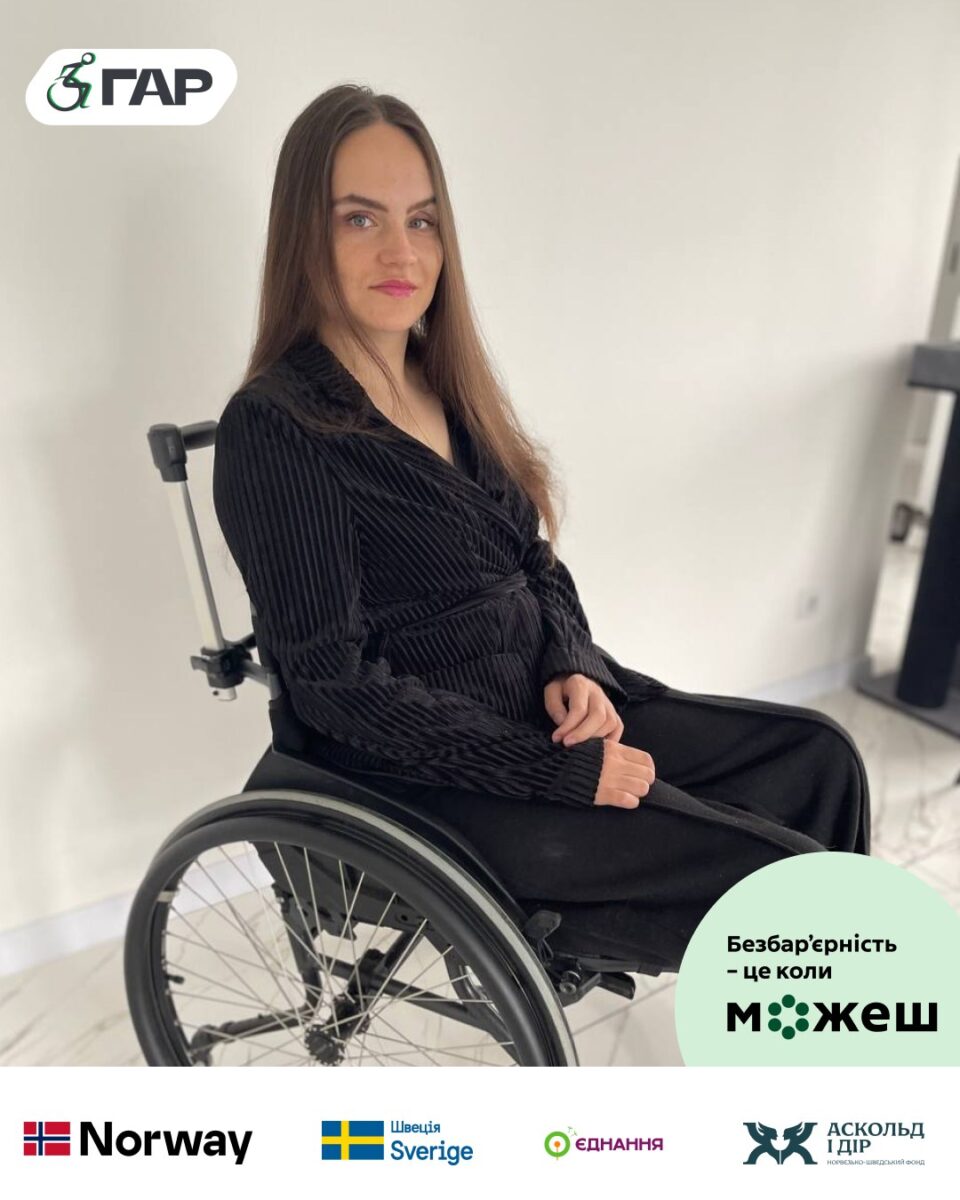 Бар'єри в місті та шляхи їх подолання. Історія Юлії Ільницької
Сучасне українське місто сьогодні — це простір контрастів, де нові стандарти часто впираються у спадок совєцької та досовєцької забудови. Високі бордюри, круті…
Read
Бар'єри в місті та шляхи їх подолання. Історія Юлії Ільницької
Сучасне українське місто сьогодні — це простір контрастів, де нові стандарти часто впираються у спадок совєцької та досовєцької забудови. Високі бордюри, круті…
Read
The form is detailed on purpose: your answers determine how many volunteers will assist you at the camp and what we prepare in advance. It takes about fifteen minutes to fill in.
Write it as it is. There are no «awkward» answers — only answers that help us prepare.