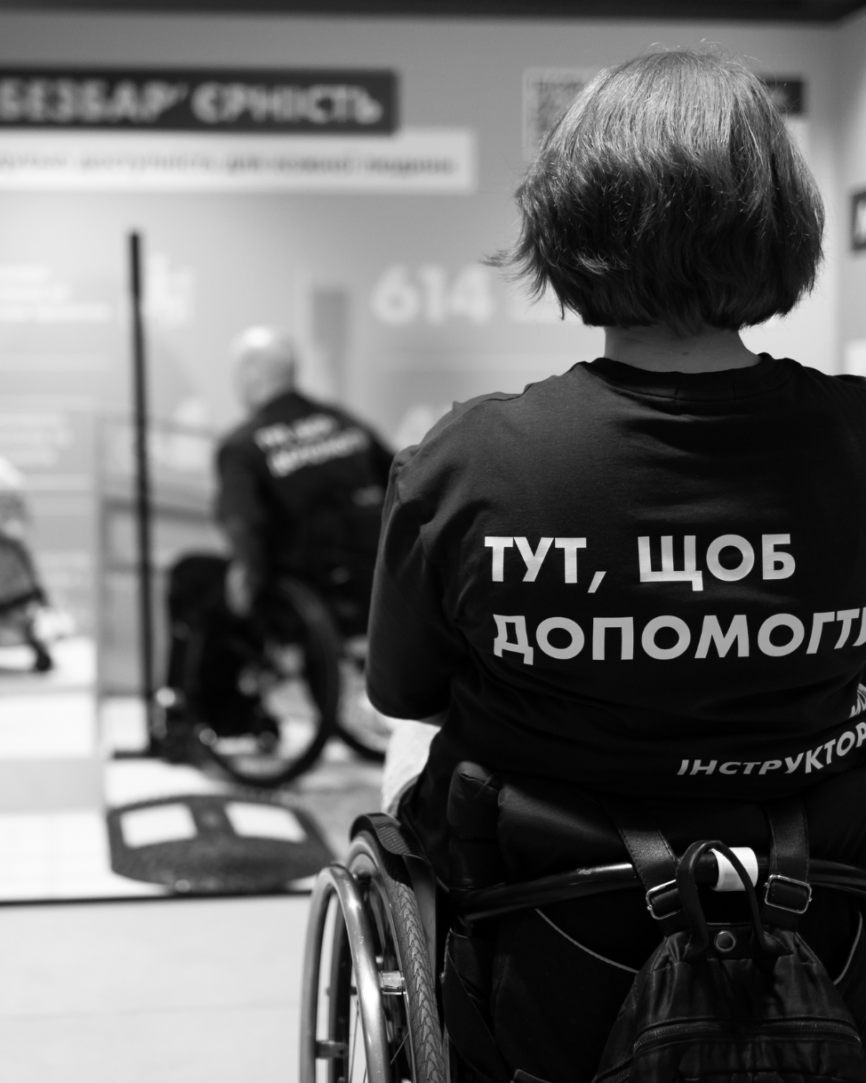


My story of volunteering with GAR began at an active rehabilitation camp for people with cervical spine injuries, held in April 2013 at the National Paralympic and Deaflympic centre.

In the first two days of getting to know the GAR instructors I experienced a professional shock. I was struck by what people with such severe injuries are capable of, by the high professional level of the camp, and by the way the organisers, instructors and service team all moved towards a single goal — helping people who have sustained a spinal cord injury and use a wheelchair to become as independent and active as possible. Being at the camp and talking with the GAR instructors, I understood that there are no limits for a person, that life is beautiful and interesting and you only need to notice this important fact. And so, «charged» like that, I came back to Kharkiv and told my students about my impressions with great enthusiasm.
Today’s students are active, humane and quick to act. You only need to offer them a direction and show them the variety of life. It also matters that my students are future medical workers who need professional experience. So I met genuine interest in the topic of rehabilitation and work at the camps.

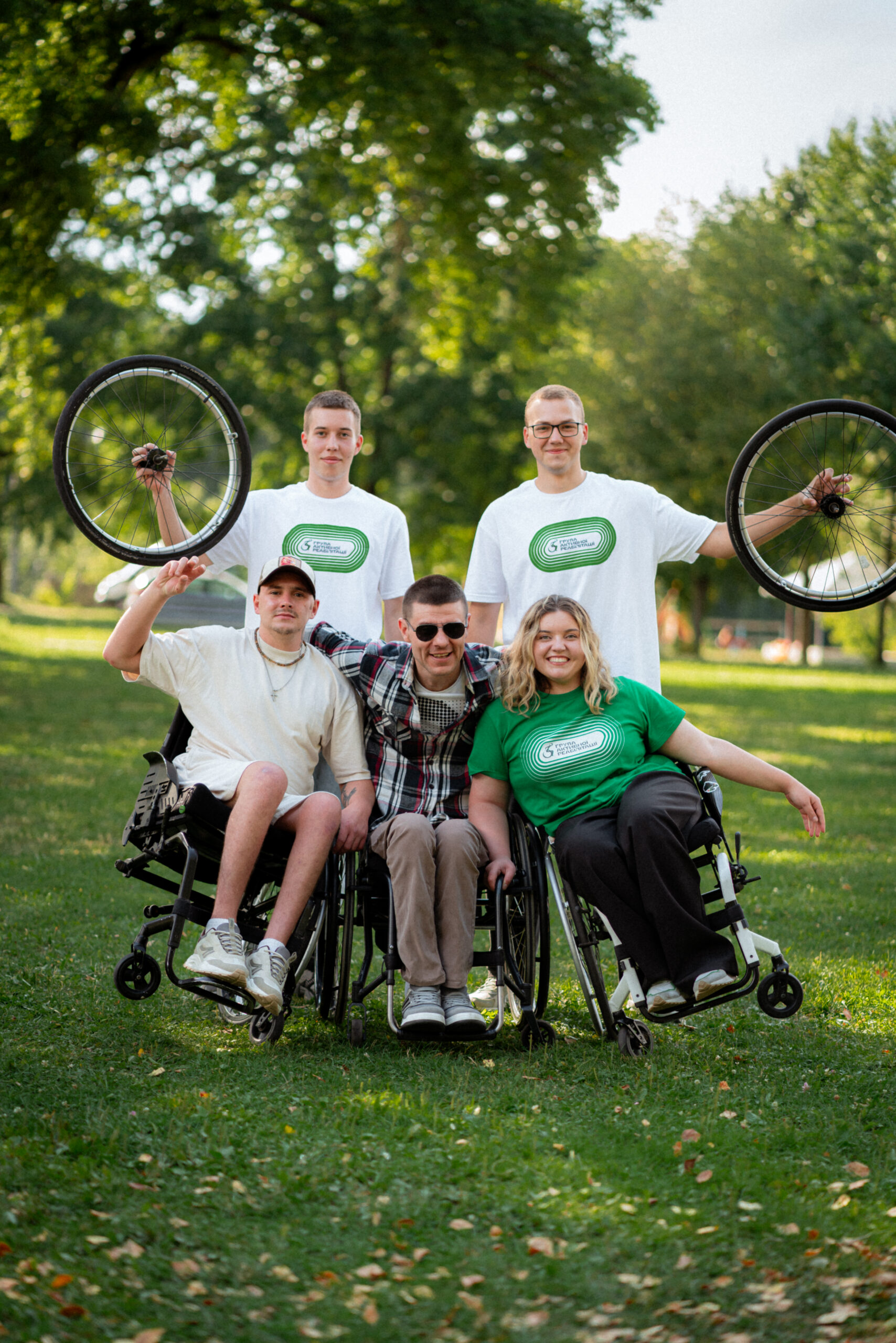
And so in September the students of the Kharkiv Medical College, Ivan Makahon and Roman Surovik, took part in an active rehabilitation camp for people with cervical spine injuries as part of the service team.
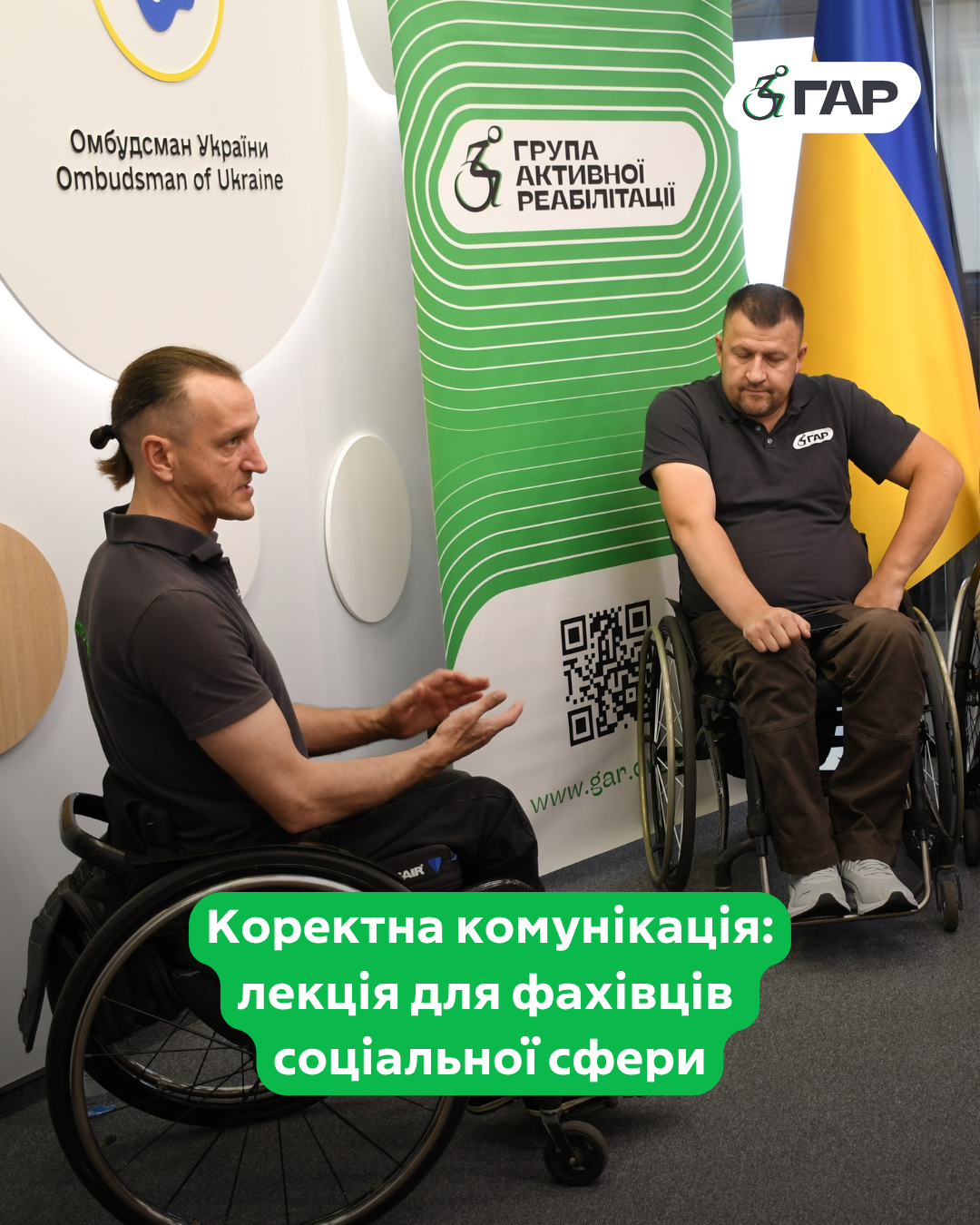
Their trip aroused considerable interest among the college students. And so in November 2013, for Student’s Day, the Kharkiv Medical College of the Medical Academy of Postgraduate Education held a student research conference on «Aspects of nurses’ work with people with spinal cord pathology». It covered such questions as the prevention of pressure sores, bladder management for a person with a spinal injury, and the etiquette of communicating with people who use wheelchairs.
The conference aimed to raise the awareness of nursing staff about the particulars of care and rehabilitation of people with disabilities, to provide information about active rehabilitation in Ukraine and about effective and respectful communication with people who use wheelchairs, and to support the volunteer movement among the college students.

An important part of the conference was the volunteers’ report on their experience at the camp. Roman and Ivan told their colleagues about the philosophy of active rehabilitation camps, about how the work is organised, and about the tasks and requirements for volunteers. The topic of active rehabilitation for people with spinal injuries and of helping as a volunteer greatly interested the students. This was confirmed by numerous questions and by applications to join the volunteers of the Group for Active Rehabilitation, which organises these camps in our country.
Nataliia Shevchenko