

Why this matters
A spinal cord injury changes a life in an instant, but the road to independence is long. Much depends on whether support is close at hand: not only in a hospital or rehabilitation facility, but also where a person lives every day.
That is why this project focuses on the community. We want people with spinal cord injury to be able to move towards independent living more quickly, and not be left alone with difficult questions after discharge.
The project is implemented with the support of the World Health Organization (WHO).
Goal
To develop a comprehensive programme to support people with spinal cord injury. To create opportunities for their full activation and speed up their return to the most independent life possible in the community, at their place of permanent or temporary residence.
What we do
Developing a comprehensive programme
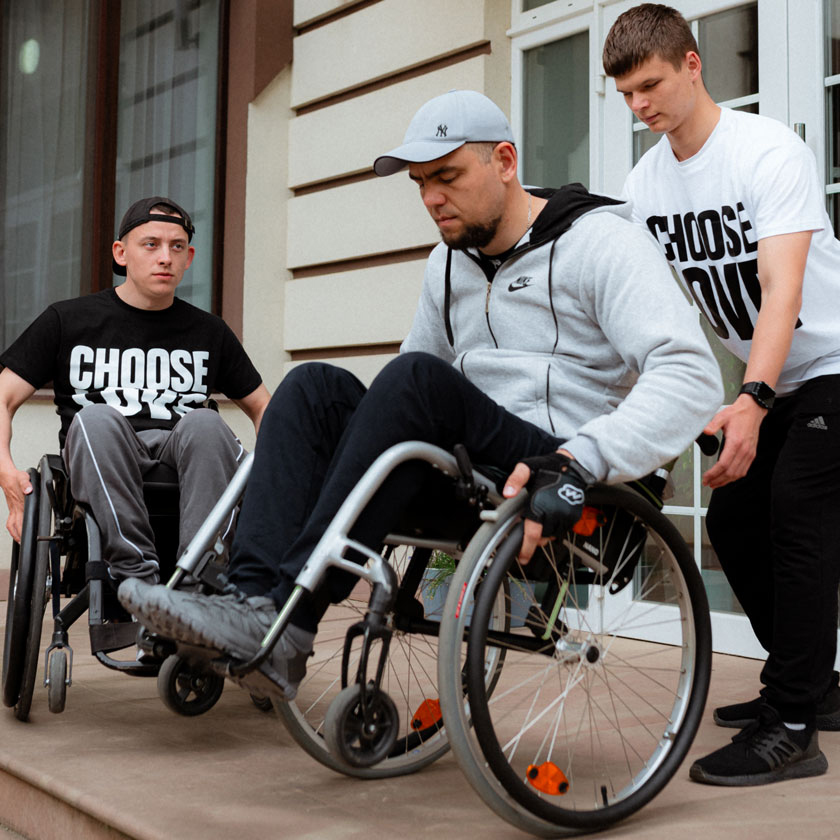
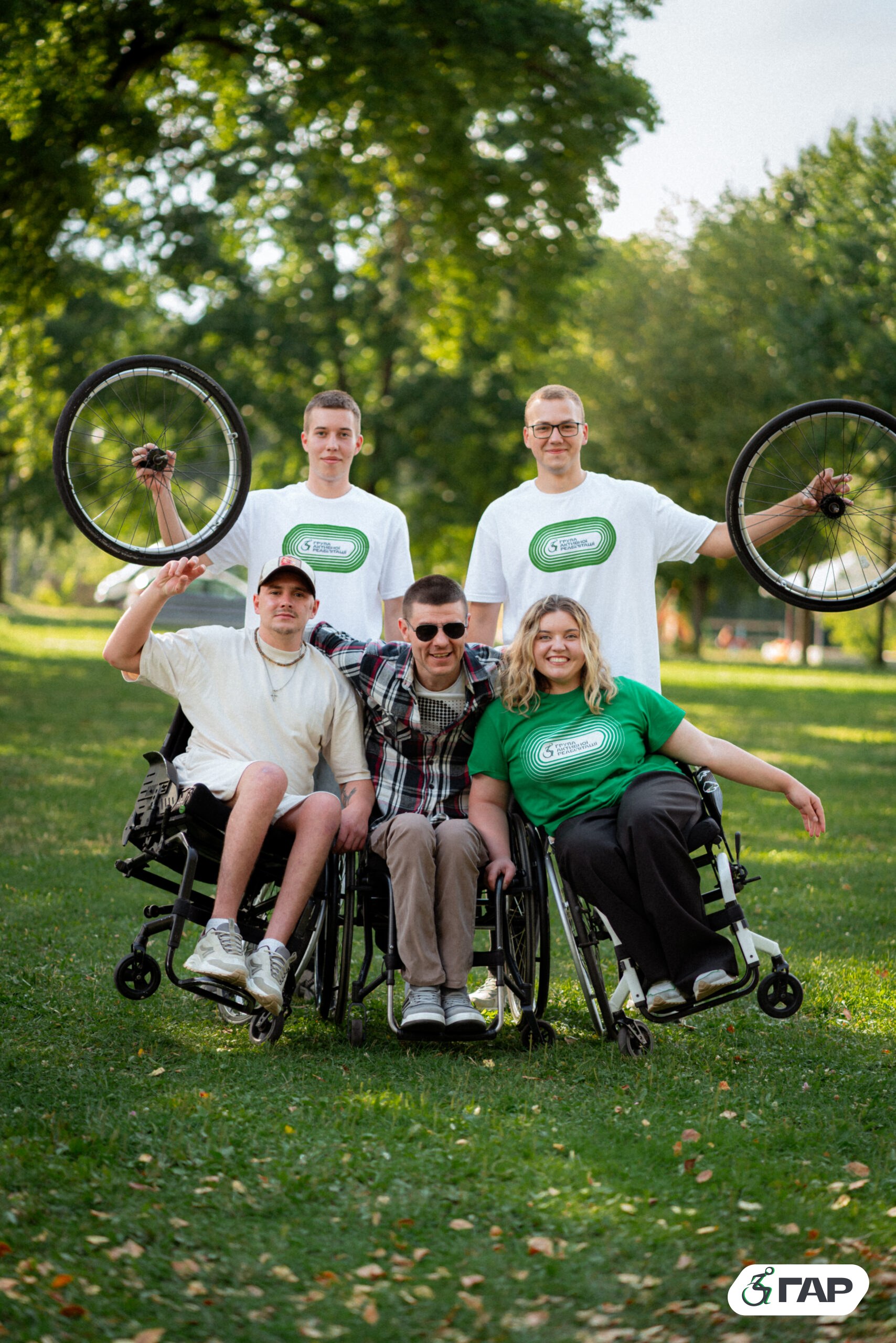
The programme is built on active rehabilitation. In this approach, a person does not simply receive treatment procedures, but learns to manage their own life and act independently. This is how GAR works: our team consists of people with spinal cord injury who know well what a person faces after injury.
Working where people live
The programme is community-based, meaning it is built around the community. Support should be accessible to a person where they live, whether permanently or temporarily, and not only during a stay in a facility. This helps maintain the pace of recovery and gradually restore a person’s confidence in everyday activities.
Supporting holistic activation
Returning to independent life is not only about physical skills. That is why the programme looks at the person as a whole: how they recover, how they manage daily life, and how they are involved in community life. This is what we mean by “holistic activation.”
Who it is for
- people with spinal cord injury who want to live as independently as possible;
- people who live in the community permanently or are staying there temporarily.
Timeline and partners
- Implementation period: from 10 August to 31 December 2025
- Donor: World Health Organization (WHO)
- Implementer: NGO “Group of Active Rehabilitation”