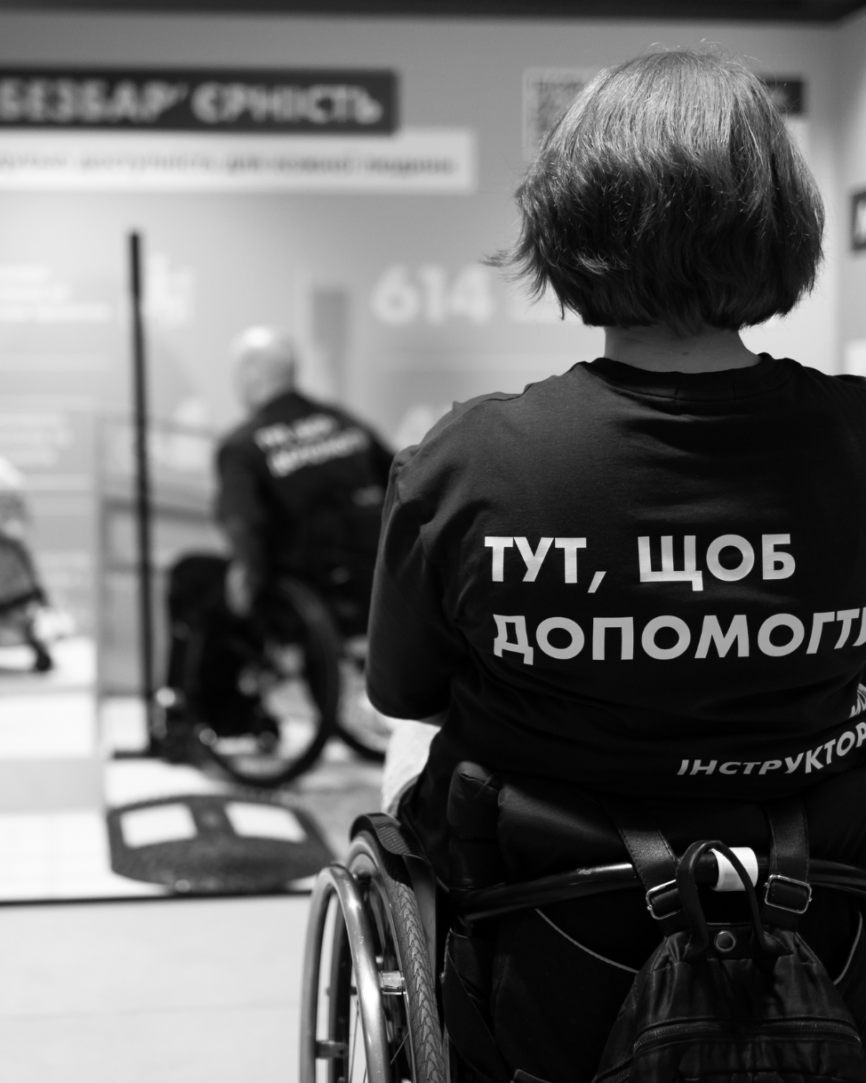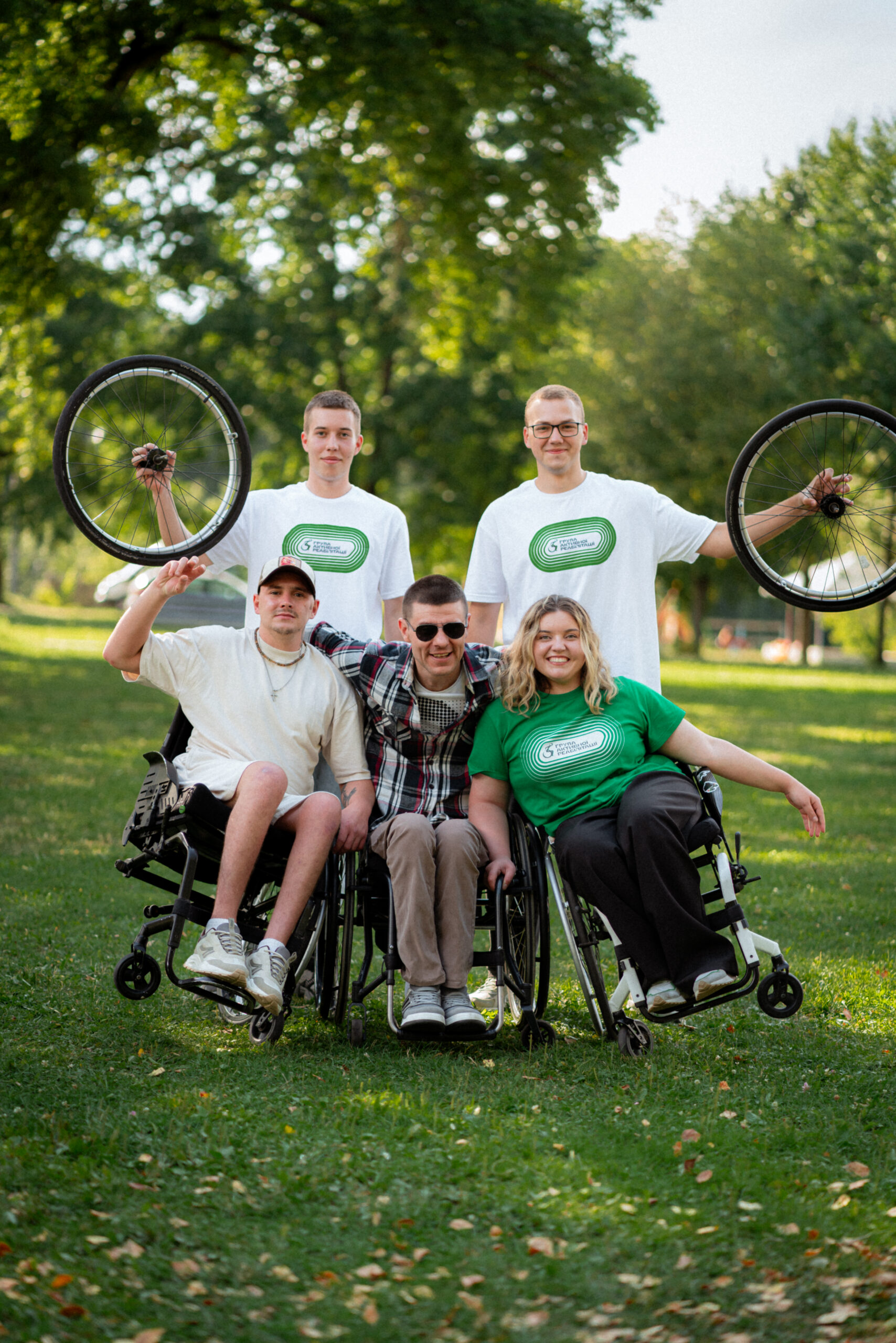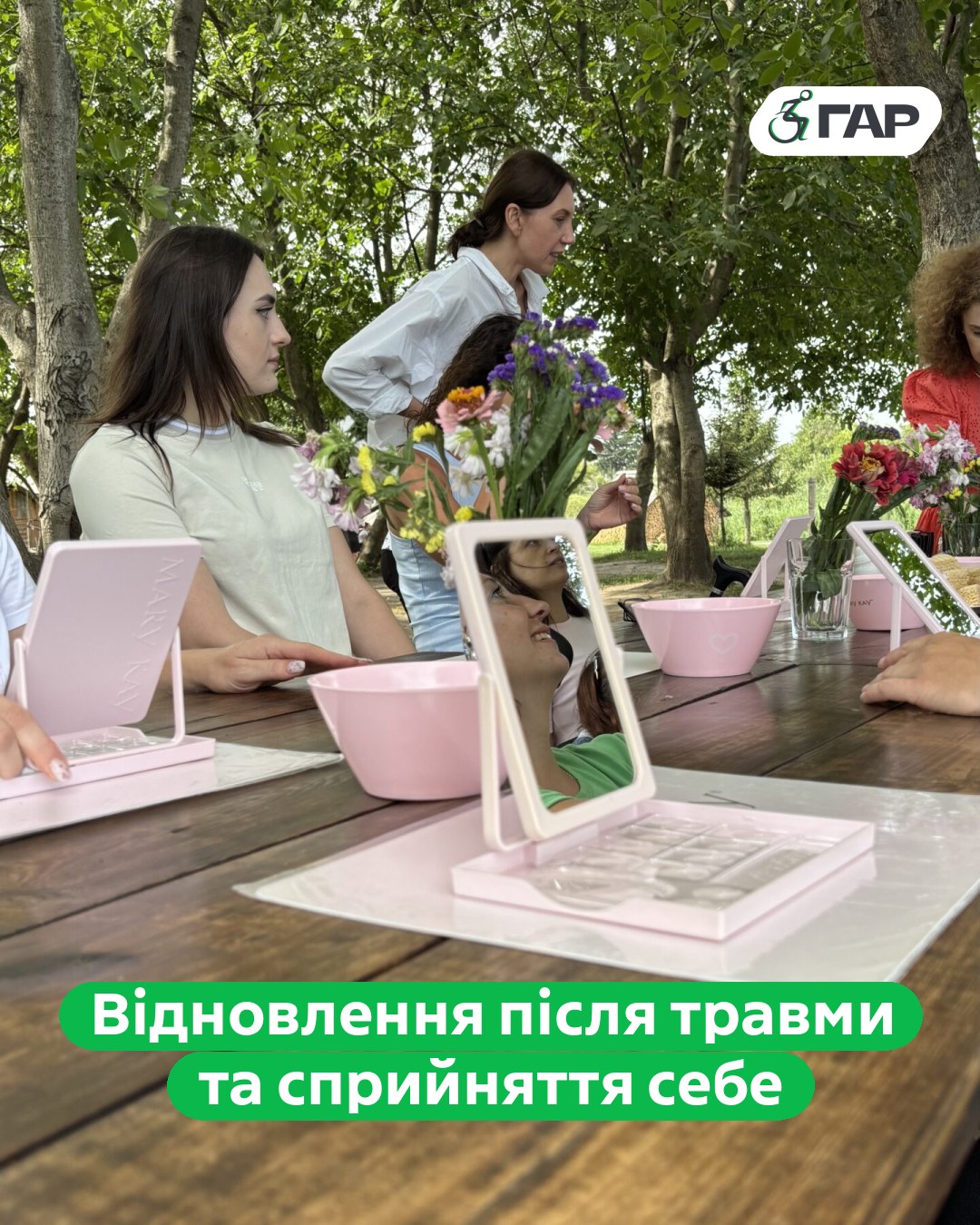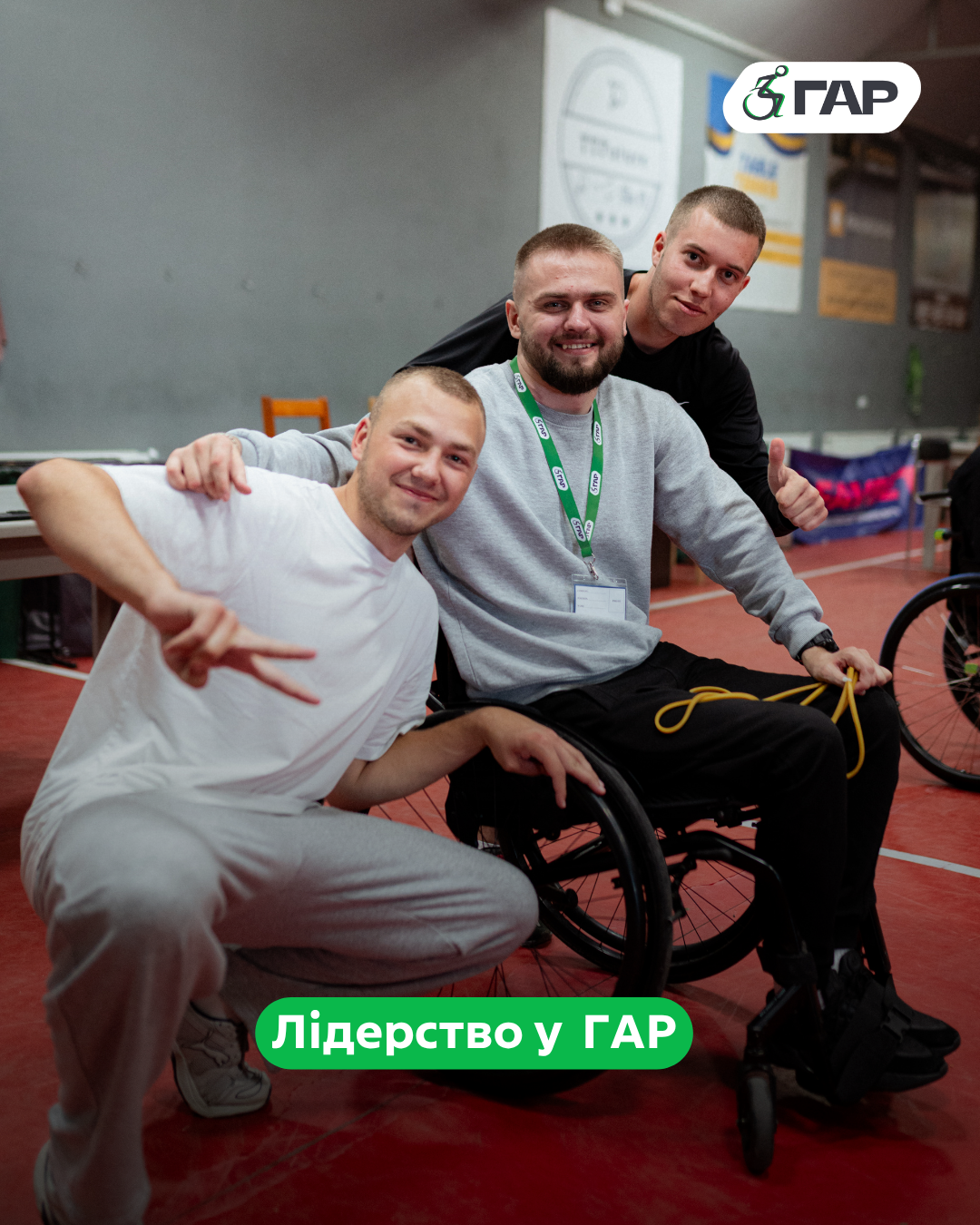


For Ukraine, accessibility today is not merely a demand of the times, but a question of survival and of the dignity of society. According to the Ministry of Social Policy, as of 2024 there are more than three million people with disabilities in Ukraine, and because of the full-scale war that number keeps growing.
The problem of barriers today is a complex one: outdated infrastructure, a shortage of highly specialised knowledge in rehabilitation, and psychological barriers. That is exactly why international cooperation becomes the key to transforming the Ukrainian environment quickly.
For the Group for Active Rehabilitation (GAR), a barrier-free environment is not a theoretical concept but daily practice. It means building an environment in which a person with a spinal cord injury is not left alone with the challenges, but is given the tools for a full life.
One of the most powerful instruments of the organisation’s development is the international exchange of experience. When GAR leaders and volunteers study foreign models, they do not simply bring back new exercises — they adapt whole systems of social integration that make Ukrainian society open to everyone.
The experience of Regina Losieva
Regina Losieva, an occupational therapist from Dnipro, began her path at GAR by meeting the First Contact instructors. In 2024 she took part in an international camp in Oslo, Norway. Alongside participants from Ukraine there were people from Latvia, Norway and the Republic of Malawi.
Key lessons of the Norwegian experience
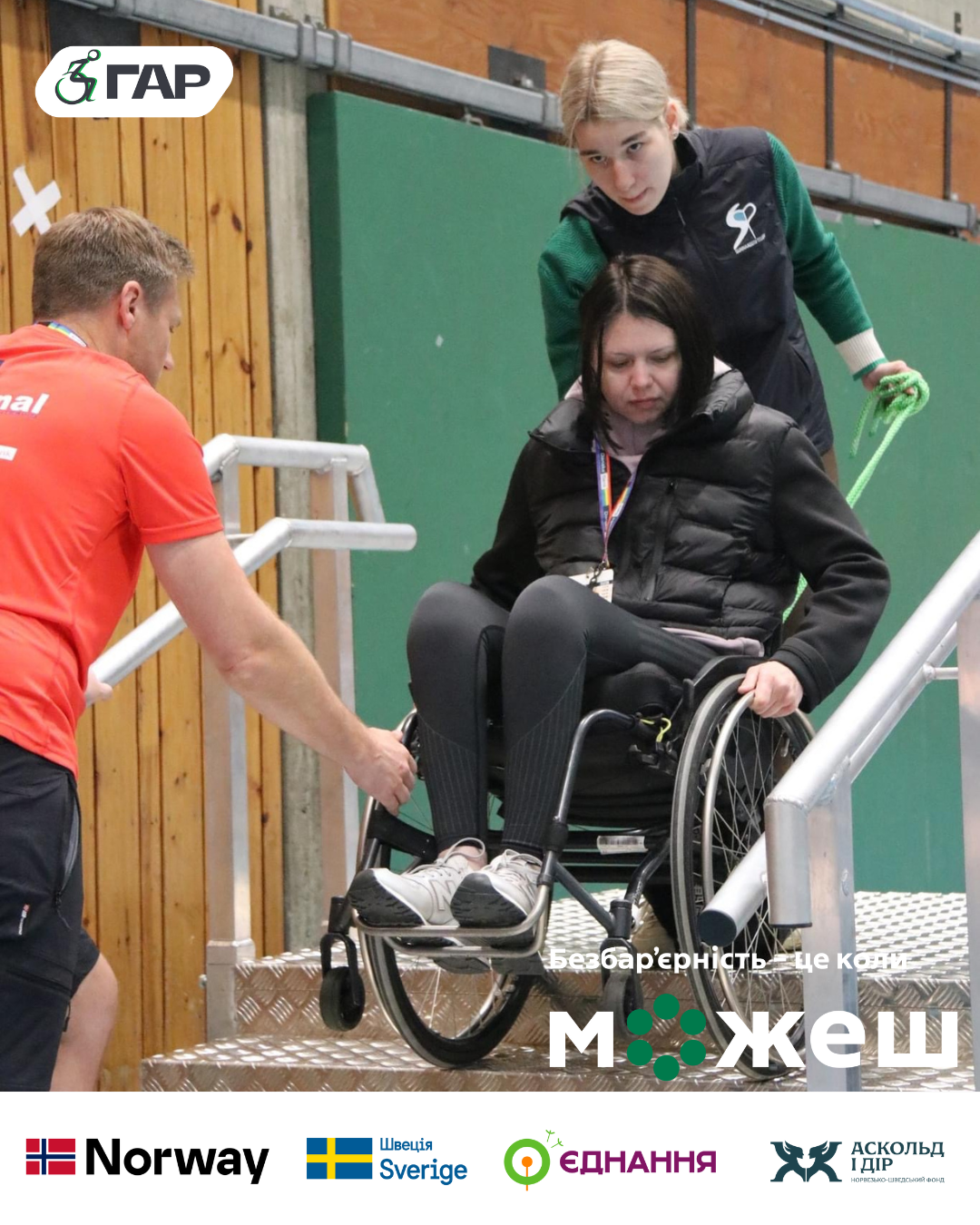
Rehabilitation through socialising. In Norway a camp is not only intensive exercise but also recreation. Walks to the lake together, a barbecue and informal conversation erase the barrier between «patient» and «specialist».
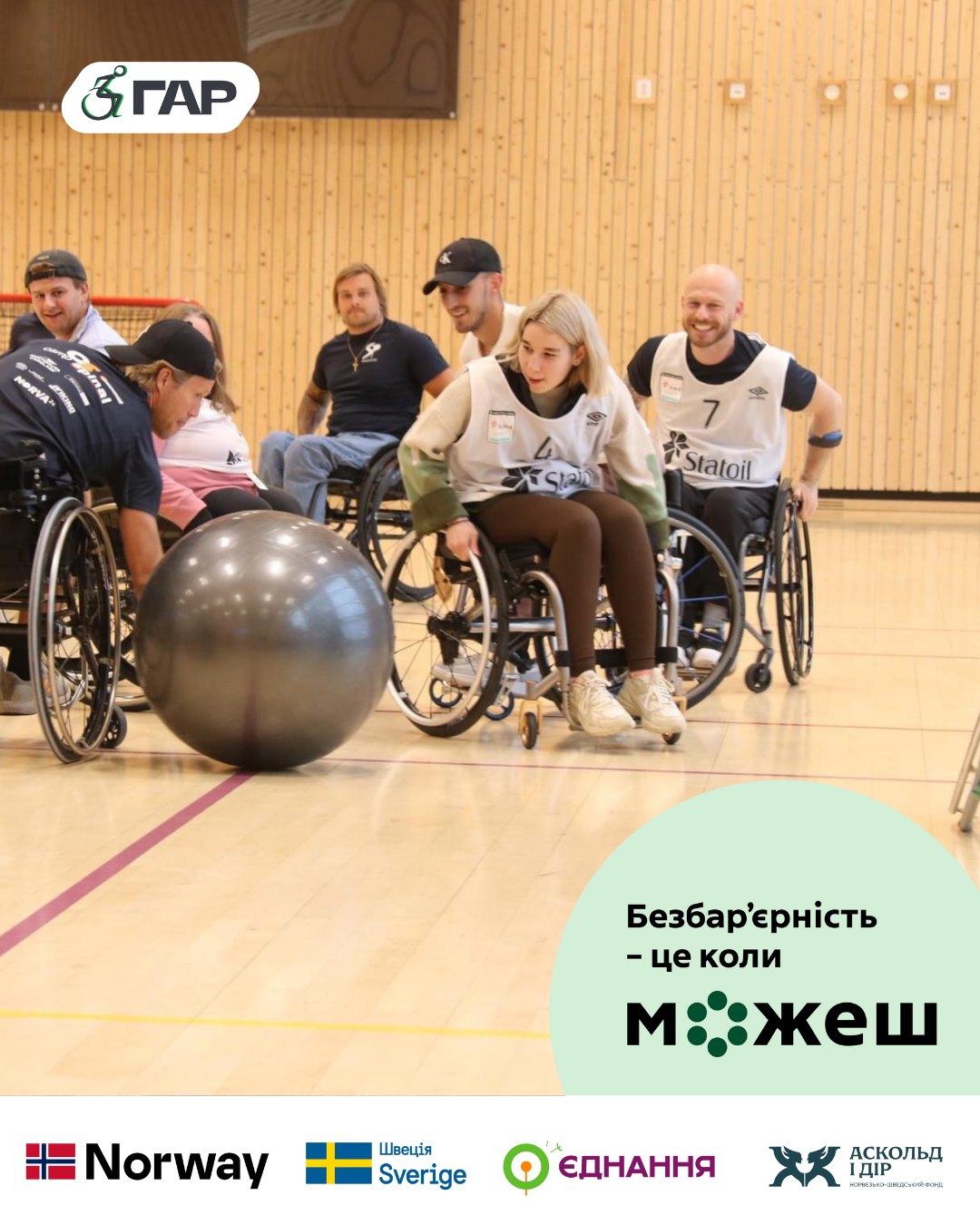
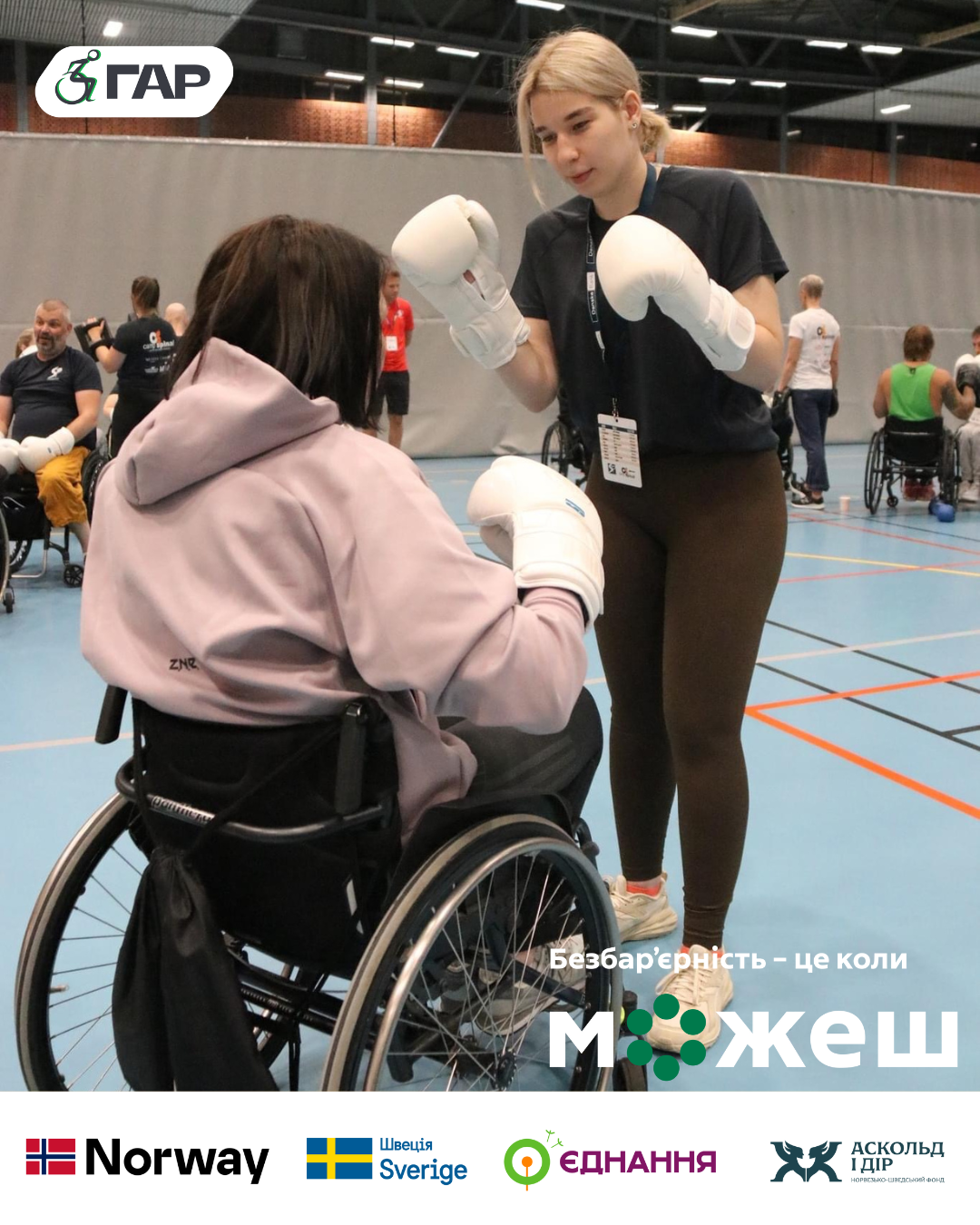
Adaptive sports. Regina discovered flexball (a game built on interaction, where the score matters less than being involved), adaptive boxing, handball and rugby in specialised wheelchairs.
Technological independence. Particular emphasis was placed on adaptive electric transport, which allows people with spinal cord injuries to be mobile within a city.
Advocacy for independent living. Learning about Norway’s BPA (personal assistance) system gives GAR a reference point for pushing for legislative change in Ukraine: a person can be independent not only at home but in their professional life.
«International cooperation gives GAR a voice in the global community and lets us introduce ideas such as the personal assistance system (BPA), which is vital for the independence of people with spinal cord injuries,» Regina says.
The experience of Sofiia Verbovytska
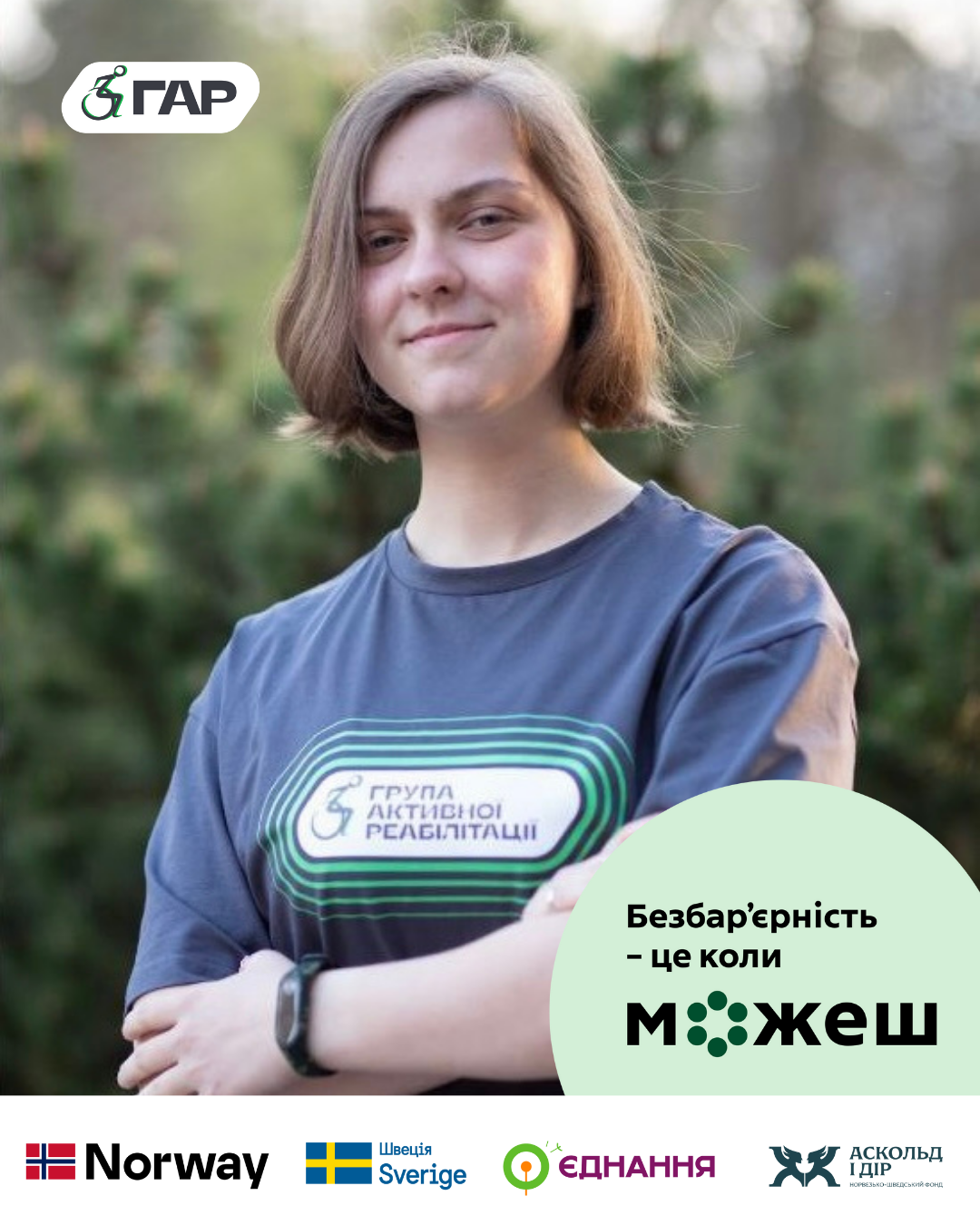
Sofiia Verbovytska, a physical therapist from Lviv, learned about GAR’s work through the instructors Ruslan Tsymbaliuk and Liudmyla Pyskunova at a military hospital. Sofiia’s story is an example of how GAR raises a new generation of specialists capable of managing complex processes.
Building GAR’s expertise through international placements
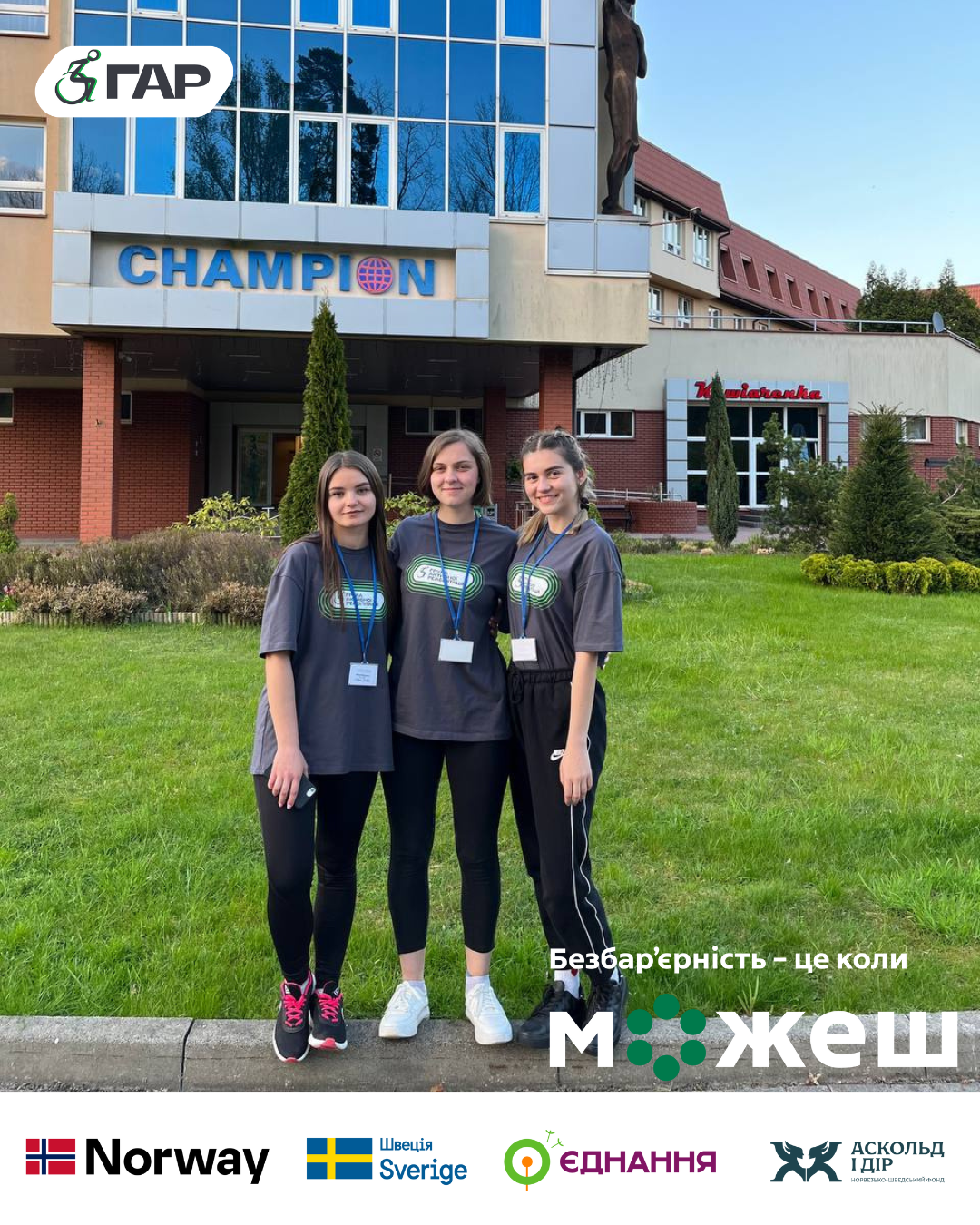
Leadership in Poland. Taking part in the leadership camp in Spała gave Sofiia the impulse to become a co-organiser of GAR camps in Ukraine and the head of the service team.
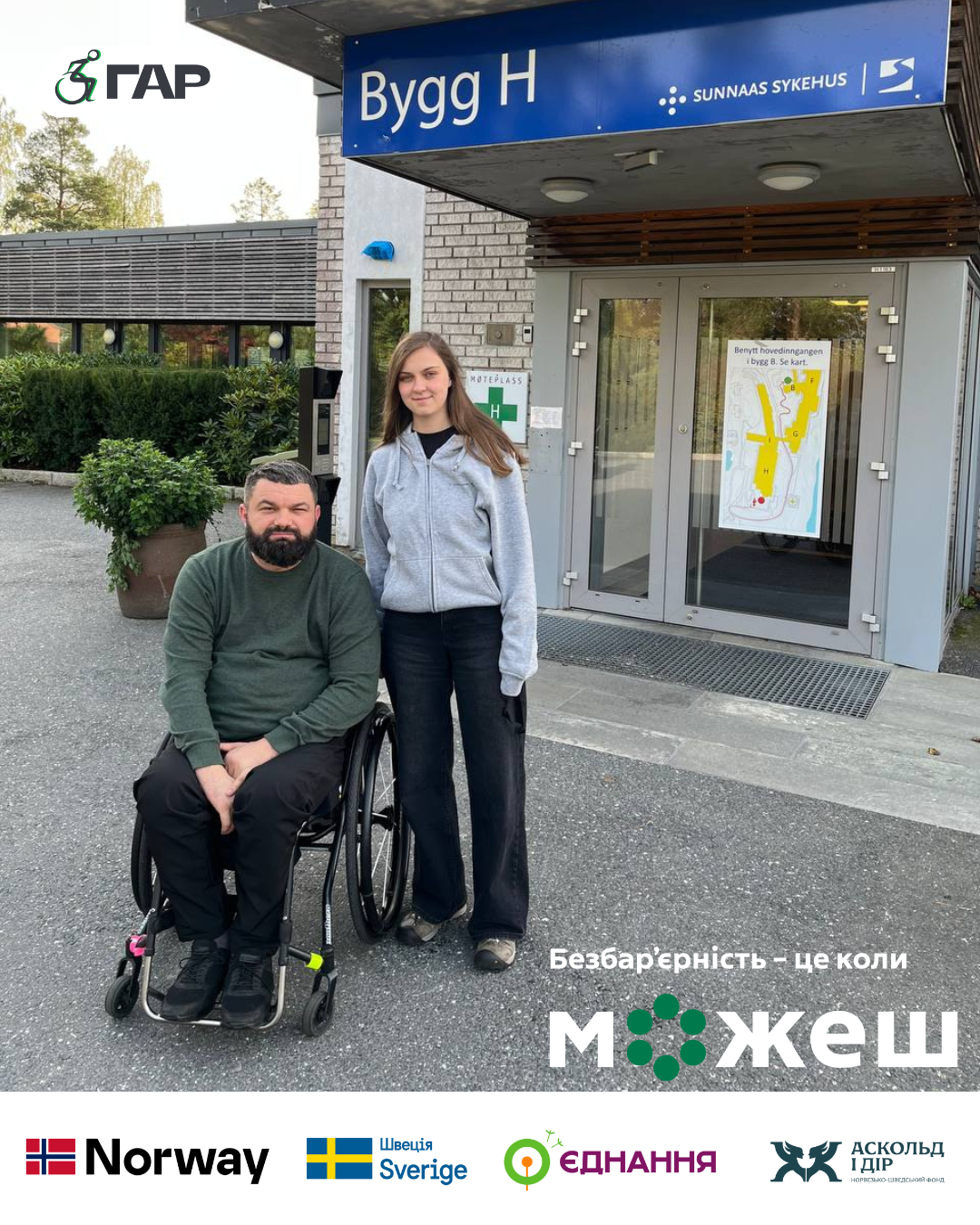
Specialised training in Sunnaas, Norway. GAR is actively developing areas that used to be taboo. Sofiia studied the sexual health of people with spinal cord injuries — an important aspect of a barrier-free life that is often ignored, yet critical for quality of life. Her training makes it possible to bring this knowledge into Ukrainian camps and to run supervision sessions for our instructors.
Passing knowledge on. Together with the GAR team, Sofiia shares what she has learned with students of specialised universities, replacing the outdated medical model of disability with the modern biopsychosocial one.
«For GAR, international cooperation is an exchange between equals. We take the best structures from our Western colleagues, and at the same time we teach them to work and to achieve results in the difficult conditions Ukraine is living through,» Sofiia stresses.
The experience of Andrii Lashtaba
Andrii Lashtaba, a veteran with a disability, joined GAR in 2024 as a medic at an active rehabilitation camp. His path shows how combat experience is transformed into professional expertise in civilian life.
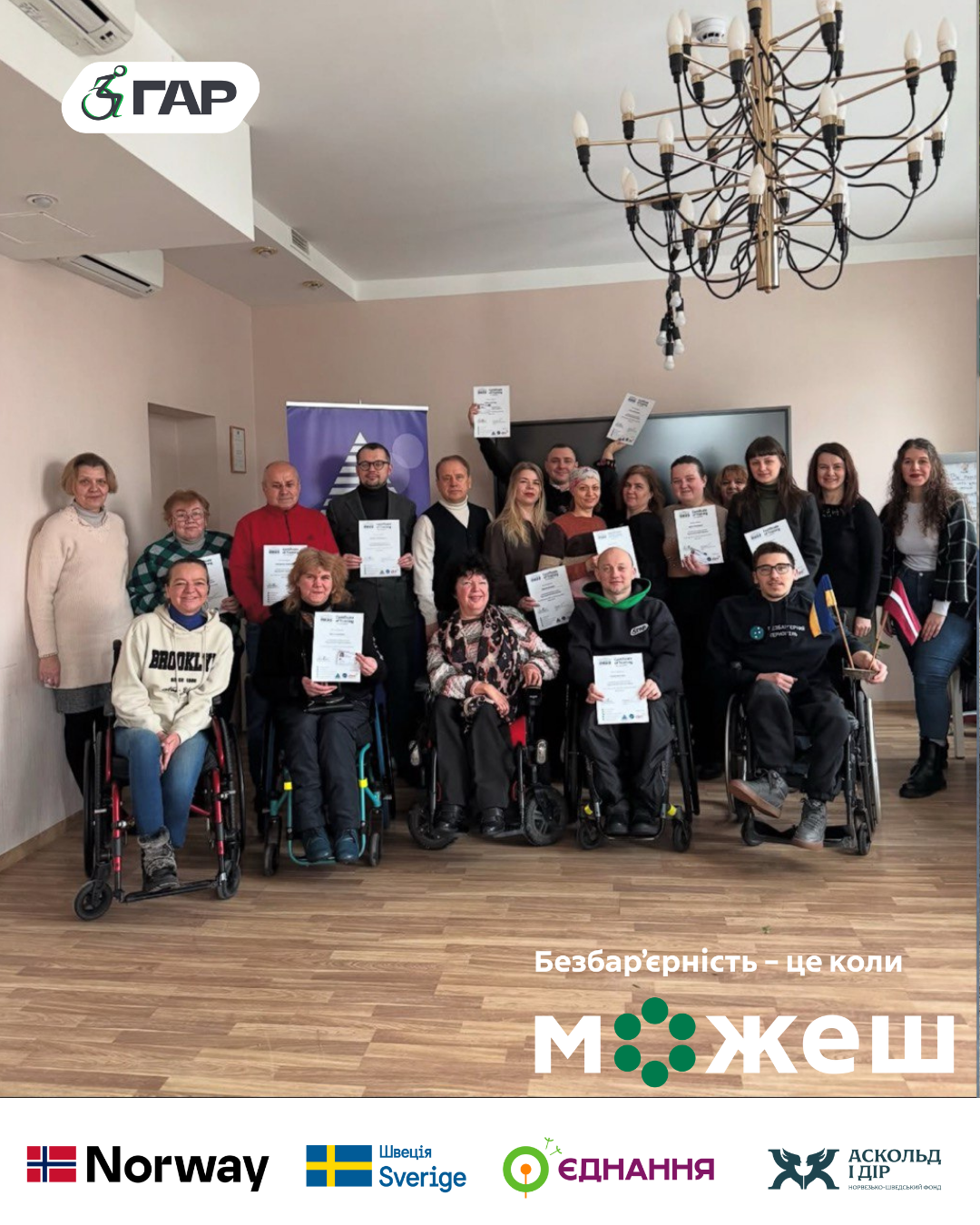
In February 2025 Andrii completed intensive training in Latvia, supported by the organisation Sustento. He is now a certified international accessibility expert. That knowledge is already being applied in Ukraine: Andrii takes part in community audits and in adapting public spaces in different regions of the country.
International experience in Greece. Taking part in a camp in Greece as a member of the service team and as an escort, Andrii was able to compare the approaches of different countries. Ukrainian intensity versus European ease: he notes that the Ukrainian method of active rehabilitation camps is far more intensive and produces better results than its foreign counterparts. «Our instructors work at a higher tempo, trying to pack in as much knowledge as possible in a short time,» he says.
«International cooperation is a chance for GAR to make itself known on the world stage. We have shown that we are not lagging behind — quite the opposite… It is also about exchanging experience and about making Ukraine’s voice heard,» Andrii stresses.
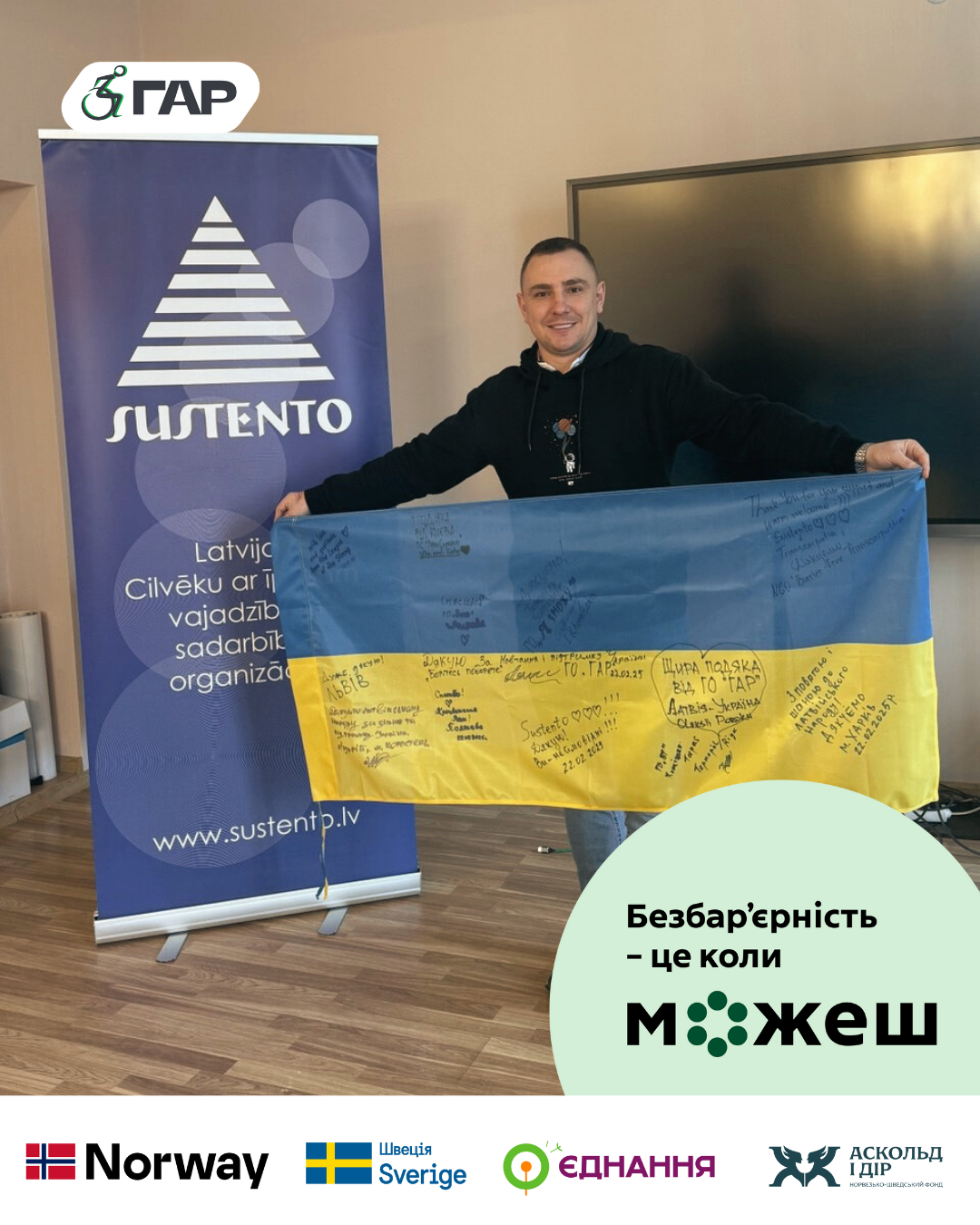
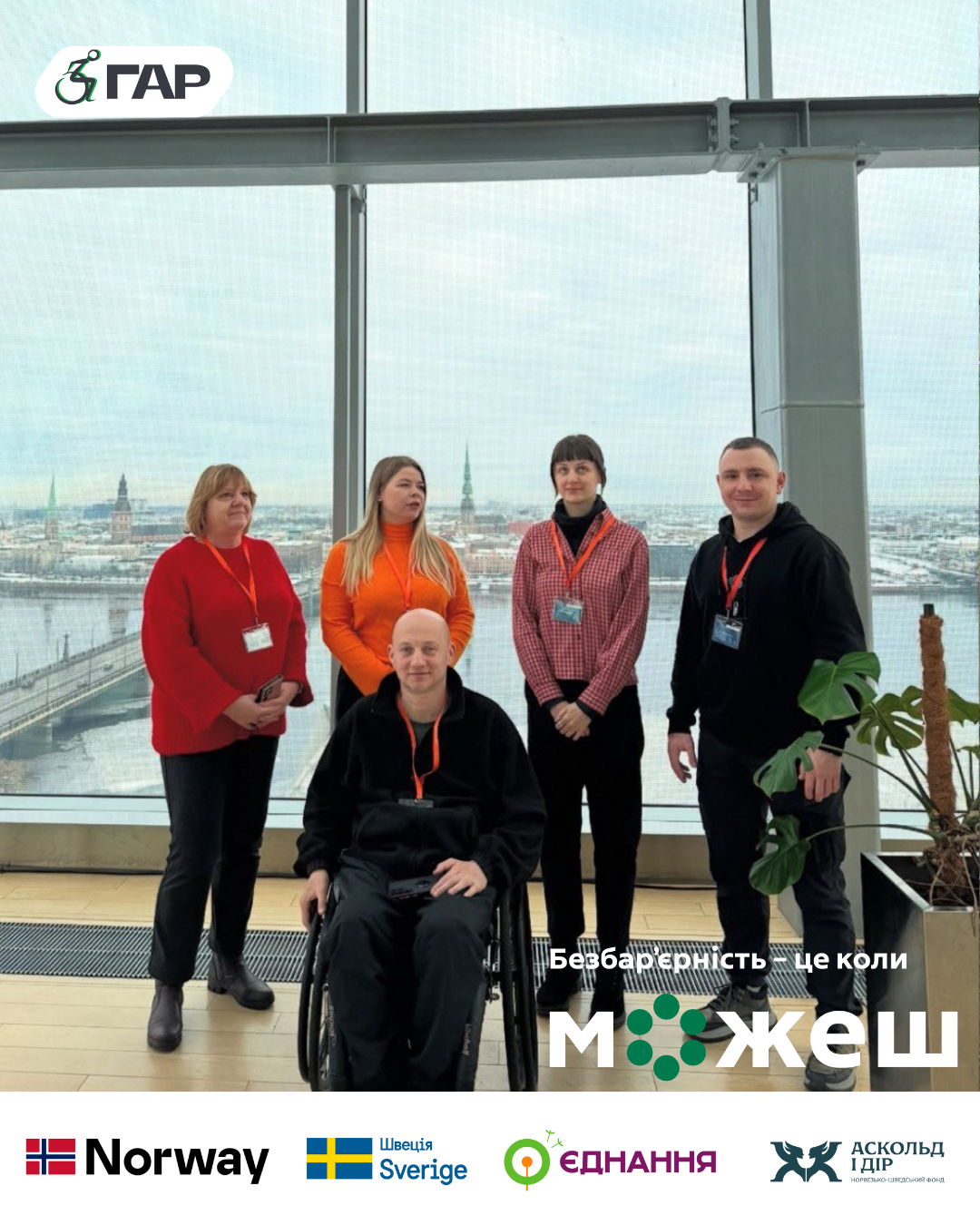
International cooperation for a barrier-free society is not simply about travel or training. It is a strategic instrument that lets us see successful models — such as the Norwegian BPA system or adaptive sport — which can be adapted in Ukraine. It raises the expertise of Ukrainian specialists and supports the country’s resilience.
A barrier-free environment is built by the hands of people who are not afraid to step beyond the familiar and bring the best of world experience into their own communities. GAR keeps building that environment, where every camp is a small model of an ideal society that we later scale up to the whole country.
At the national level, international cooperation is the foundation for implementing the National Strategy for a Barrier-Free Space in Ukraine. Adopting European accessibility standards and exchanging experience with international partners allow Ukraine to integrate the principles of universal design into architecture, transport and digital services faster. This is not simply borrowing foreign solutions, but a strategic partnership that helps turn accessibility into a new social norm, where every community becomes open and comfortable for all its people without exception.
This publication was prepared within the project «A civic platform in support of a barrier-free society in Ukraine» with the support of the Askold and Dir Foundation, administered by ISAR Ednannia within the project «A strong civil society of Ukraine — a driver of reforms and democracy», funded by Norway and Sweden.