




Seminars and trainings
Training on barrier-free environments and disability for everyone who provides services: public authorities and communities, hospitals and rehabilitation centres, business, education, media.
It is run by our own specialists — most of whom live with disability themselves: instructors, occupational and physical therapists, accessibility experts with international certification. So it is not a lecture about standards but a conversation about how your service looks from the other side of the counter.
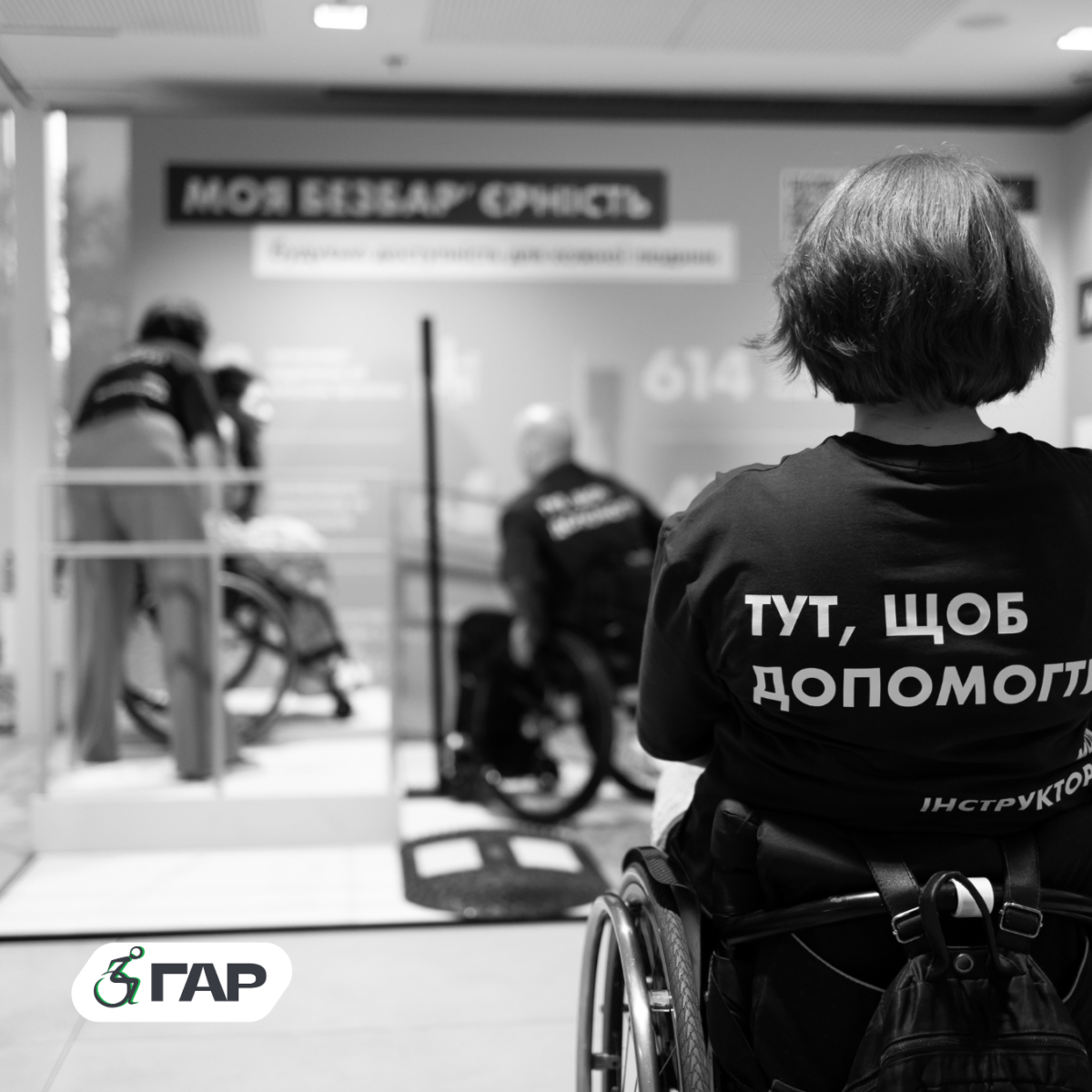
A ramp is built by a builder, but a service is delivered by a person. The most expensive part of accessibility is not the concrete — it is what happens at the counter, in the office, in the ward and on the phone. That is what we teach.
We run seminars, webinars and trainings on accessibility and disability for everyone who provides services: public authorities and communities, hospitals and rehabilitation centres, business, education, employers and media. The format and depth vary — from a short introduction for a large team to a detailed training for people who work with the public every day.
Sessions are led by our own specialists — most of whom live with disability themselves: instructors, occupational and physical therapists, accessibility experts. Part of the team holds international certification obtained in Latvia with the support of Sustento, and we bring in further specialists — from lawyers to architects — depending on the request. So it is not a recital of standards but a conversation about how your service looks from the other side of the counter — with practice, not just slides.
We consistently replace the outdated medical model of disability with the modern one: the problem is not in the person but in the barriers around them. Everything else — an accessible entrance, a clear website, correct language, assistance without over-protection — then follows naturally instead of reading like a list of requirements.
The programme is always assembled for a particular team: training for nurses, for cashiers and for a city council are three different sessions.
- 01 The request Through the form at the bottom of this page: who your team is, how many people and what hurts most right now.
- 02 A programme for your audience Training for nurses, for cashiers and for a city council are three different sessions. We choose the topics and examples for you.
- 03 The session Online or at your venue. Minimum theory, maximum practice: a review of your own space, exercises, answers to “what if”.
- 04 What stays afterwards Materials for the team and a contact to ask again. If needed, an audit of your space as a separate service.
- An online webinar, an in-person training at your venue or a mixed format — depending on the number of people and whether hands-on practice is needed.
- Length and depth vary: from a short introduction for a large team to a detailed training for those working with the public every day.
- Sessions are led by GAR specialists, most of whom live with disability themselves; part of the team holds international accessibility certification. We bring in further specialists depending on the request.
- For businesses and institutions this is a commercial service: it covers the team's work and lets us train those without a budget for free.
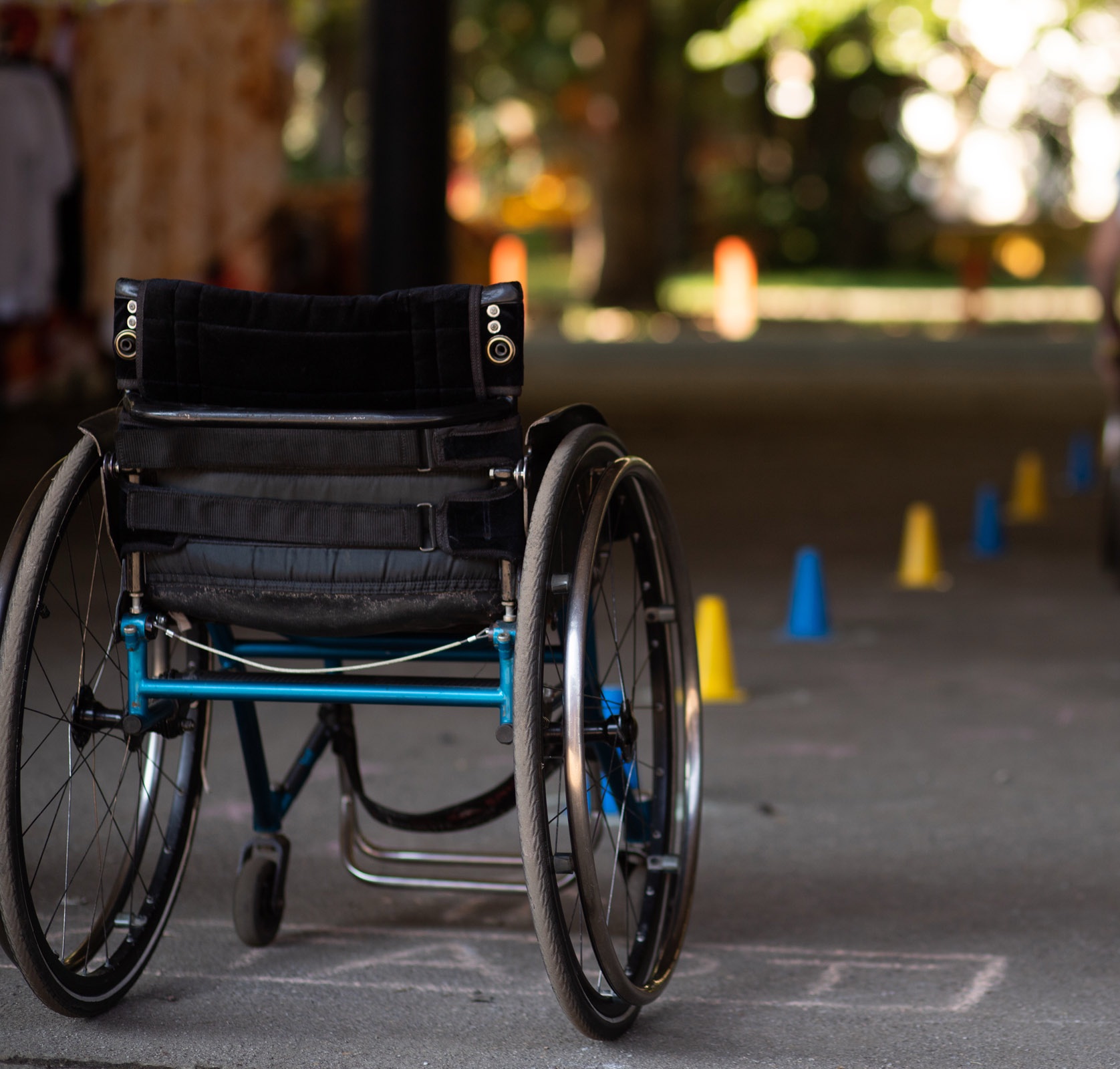
- A hands-on immersive session: an obstacle course in a wheelchair. We have simulators of the usual barriers, so people feel what a wheelchair user goes through instead of only hearing about it.
- For medical teams, communities and facilities covered by our donor-funded projects the training can be free — ask whether a programme is currently running.
Some formats we run at partners’ events — with our own team, equipment and scenario.
A few fields so we know who the session is for and what it should cover. We will then get in touch to agree the programme, the format and the terms.