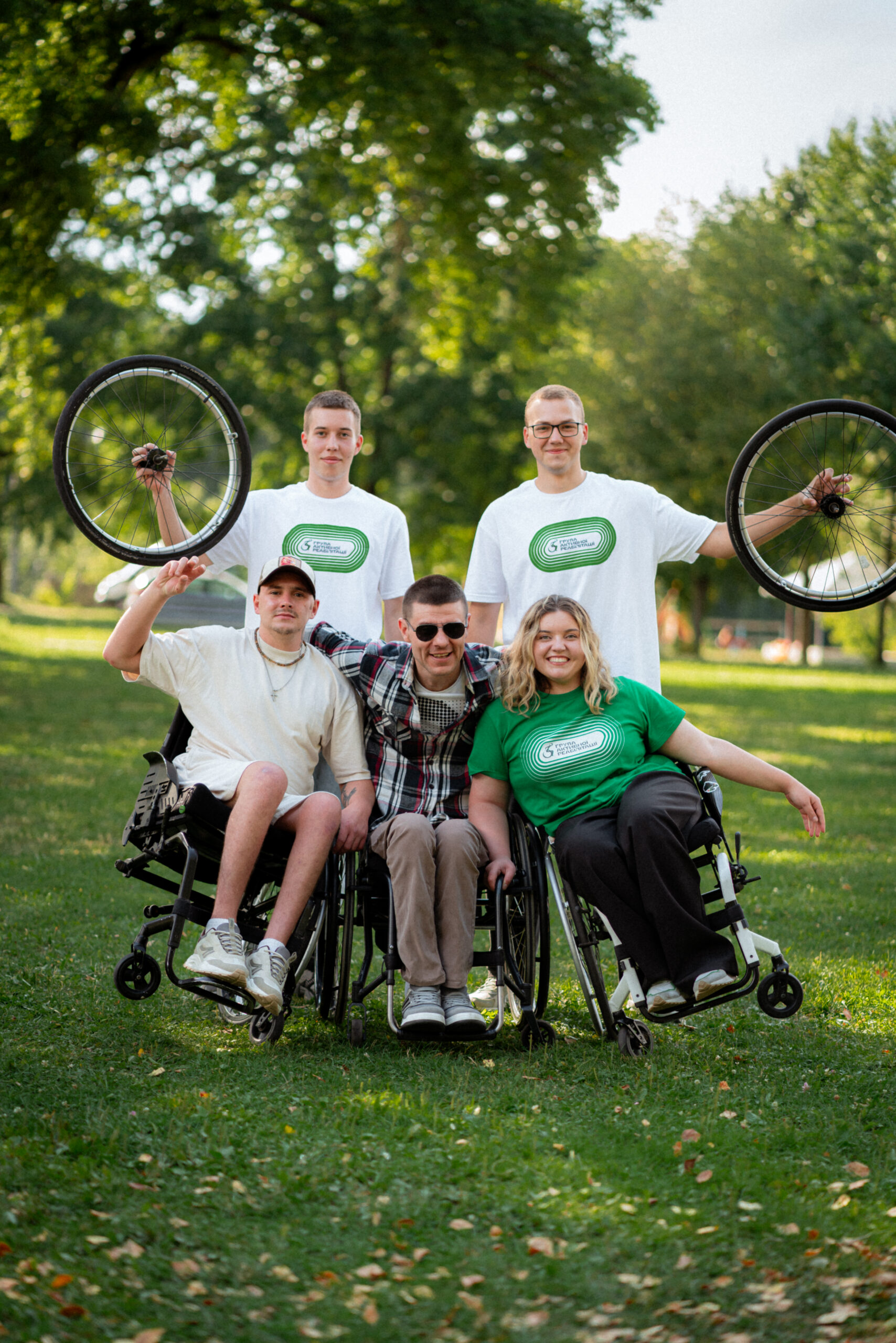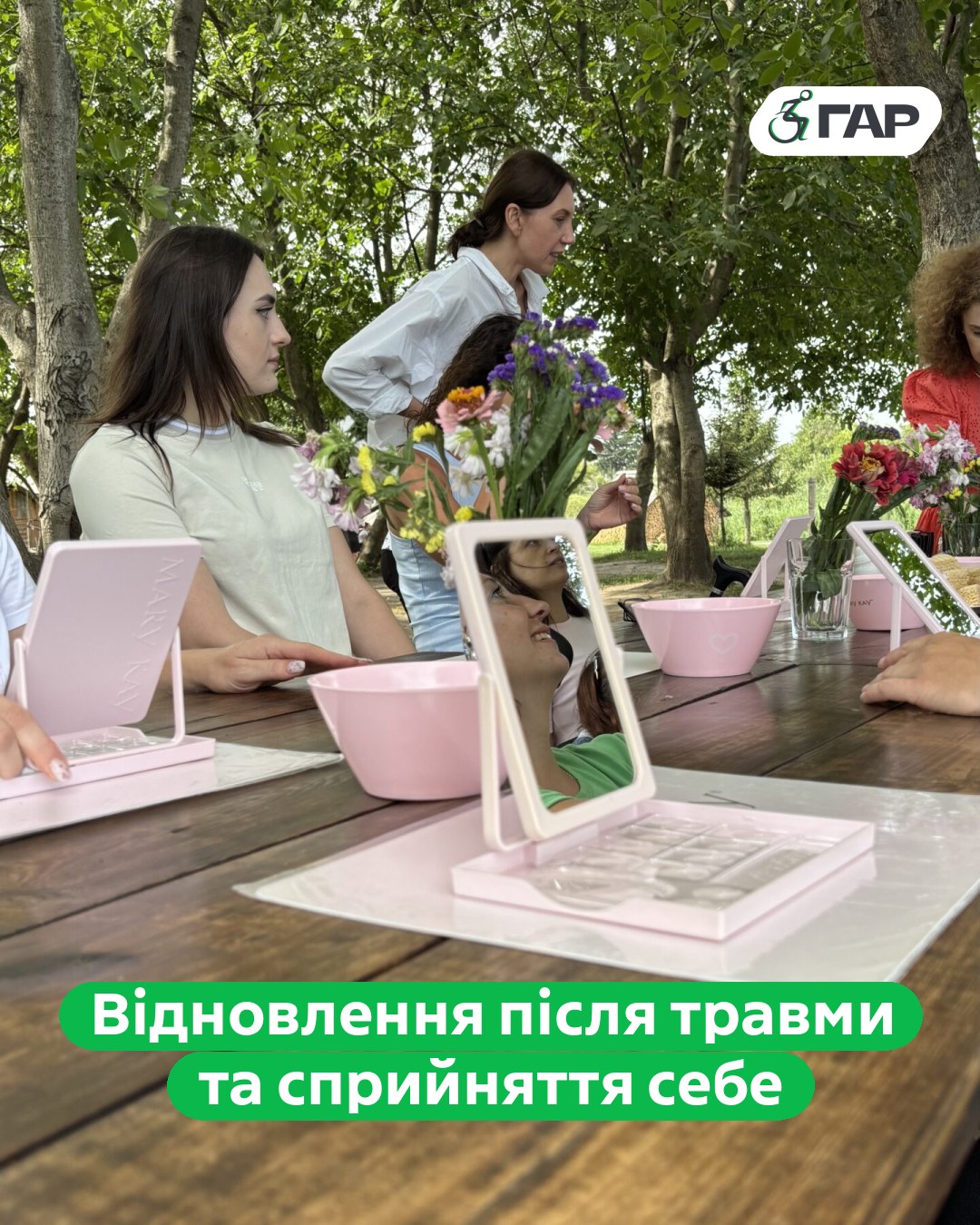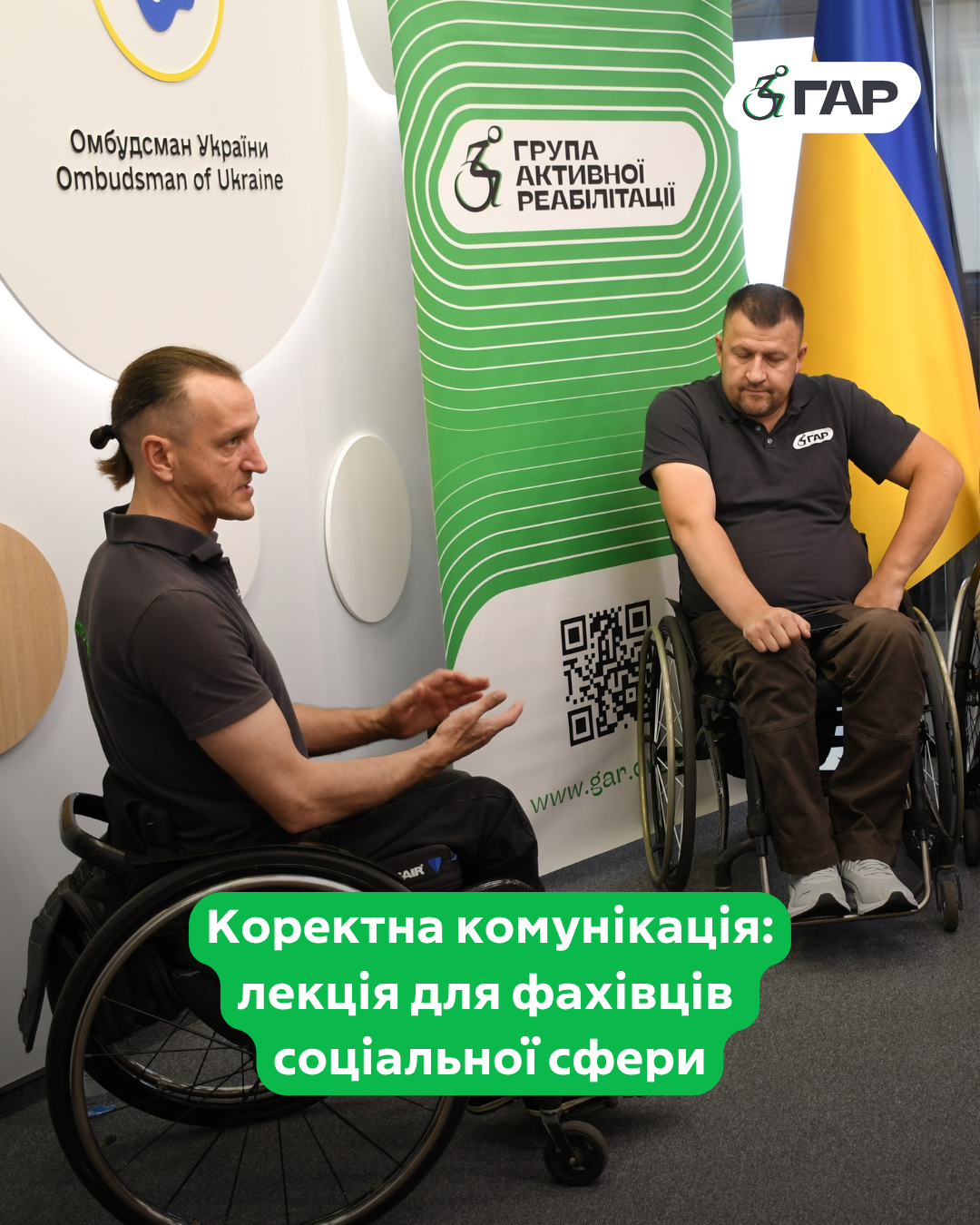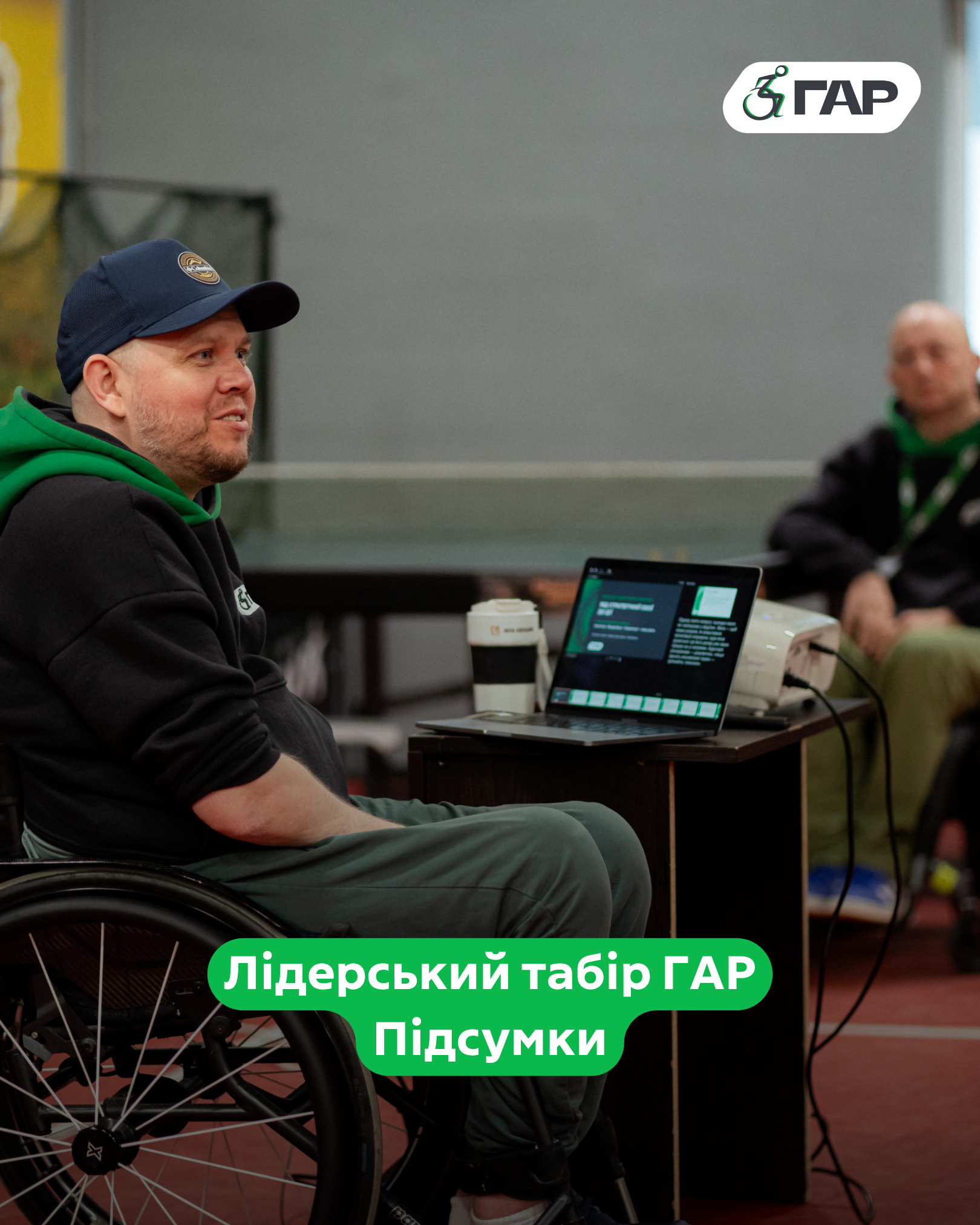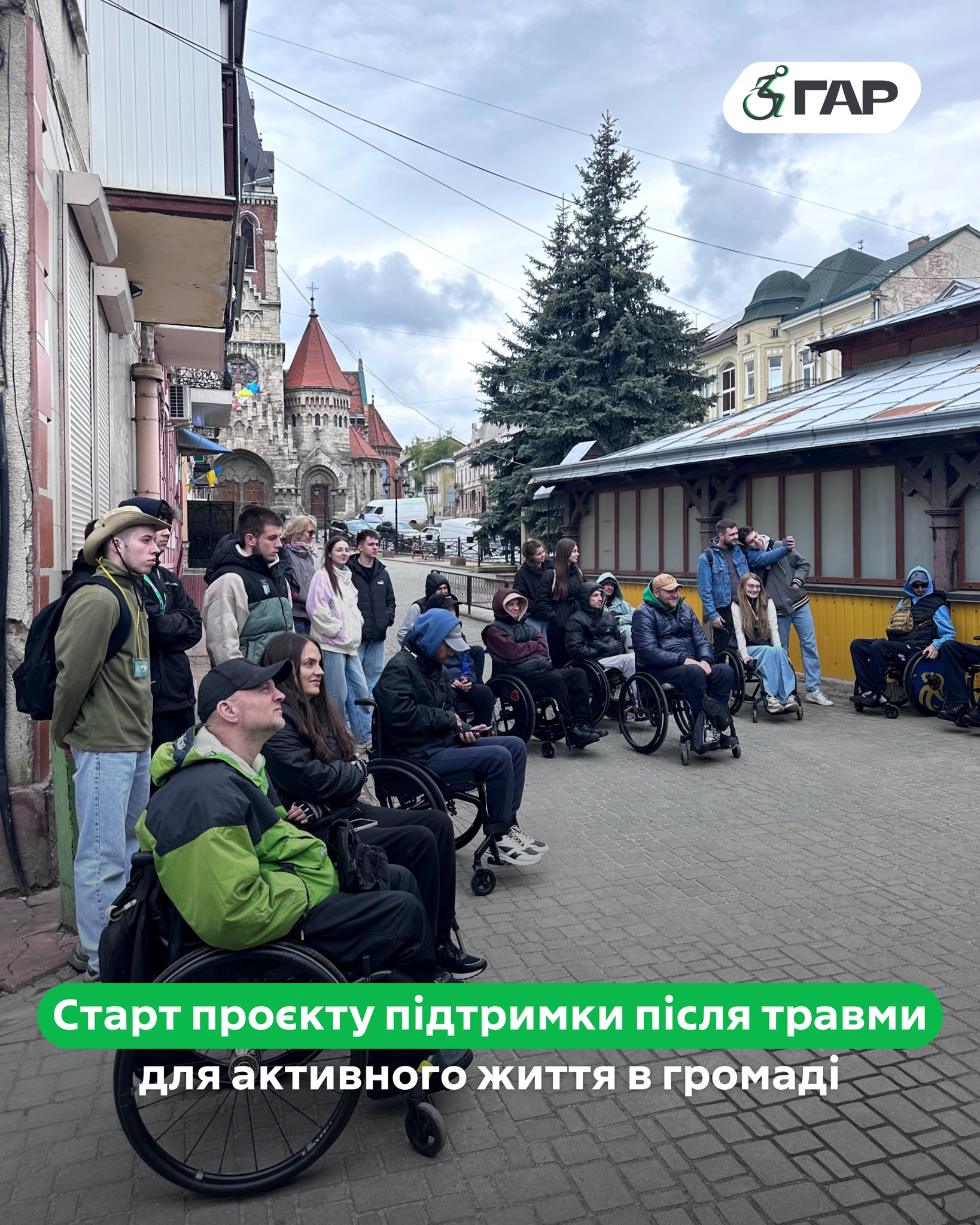


«I never thought I would end up in a wheelchair, but anything can happen to anyone,» — Mariana Kedyk on the school, on rehabilitation and on her impressions.

Who told you about the camp, and what did you expect from it?
I heard about GAR from friends. Through our organisation, Slid, I had the chance to stay in Yavoriv, where active rehabilitation camps had been held before. That is when I learned more about the camp. To be honest, it took me a long time to work up the courage to apply — I was afraid.
What exactly were you afraid of?
At home my parents help me, there is always support. Here you have to be more independent. But I want to learn to adapt to life in a wheelchair, to master all the self-care skills in this condition, to be able to overcome difficulties.
You were injured three years ago. A year and a half later you began going outside and trying to do things at home on your own. How did you take the new conditions of life, how did you adapt?
That period was very hard, I did not want to live. This happens not only to me but to many people who use wheelchairs. Then I went to rehabilitation and met others with similar injuries. In that atmosphere you feel more or less normal. But when you come home you find yourself within four walls again, and it gets harder. There was a time when I did not want to talk to anyone, did not know how to live on or how to fulfil myself. Later I met the head of the Slid organisation, and after long hesitation I went to Bukovel to a camp for people with disabilities. I have never regretted that decision, because after that trip I began to go out into the world.
Did you go on your own?
No, I went with my mother. It was an ordinary camp for meeting people, talking and sharing experience. Nothing there was adapted for rehabilitation or for managing on your own. That is where I met my boyfriend. Thanks to him I started leaving the house.
Is it people’s attention that troubles you?
Yes, because people here often look at a person in a wheelchair as if they were contagious. They cannot even explain it to their children. Often, when a small child asks, the parents hush them or simply lead them away. Society does not know what to do with people like me.
What would you advise society?
Anything can happen to anyone. I never thought I would end up in a wheelchair. I myself never paid attention to people with disabilities — perhaps I simply did not meet them. Now I understand why. I would advise explaining to children at school what this is: that such injuries are not contagious and you can talk to anyone quite calmly.
Congratulations — GAR is your first camp on your own.
Yes, thank you. I really did hesitate and I was afraid. But I understood that the sooner I start learning, the better. The first three days were hard because of the tight schedule. At first I could not keep up and got nervous. Now I have adapted, and I am happy to be here and to have met women from all over the country. In this time I have received useful information and, most importantly, learned a great many skills.
Which skill was the hardest to master?
Transfers and holding a balance. In general everything to do with wheelchair skills is hard for me. But in the first sessions a lot of it worked out.
Which lectures were most useful for you?
Vitalii Pcholkin talked about our rights and how to stand up for them. It was very interesting and useful. I am fond of psychology, so I liked those lectures very much too.
Did GAR give you new ideas for self-realisation that you plan to put into practice?
I am a hairdresser by profession, and now I am thinking about how to return to it. I want to learn to work in new conditions. We shall see.
Two weeks have passed since I came home, and I am glad I found the courage to apply and to go. I came back with a heap of impressions and presents — and above all with the skills I gained. There was a little too little time to master everything, but the main thing is that I have the basics, which lets me practise at home on my own. I can say with confidence that I have become more independent at home, although out on the street I have not yet learned to get over obstacles or over my fear that someone is looking at me — so I want to go to the camp again. I advise everyone to go to an active rehabilitation camp at least once: it is a big family!